Why Craftsmanship Is Becoming the New Luxury in Interior Design
For the past several years, so much of the conversation around interiors has centered on what a room looks like. The perfect photograph, the recognizable piece of furniture, the color of the moment.
But lately, I'm seeing the conversation shift.
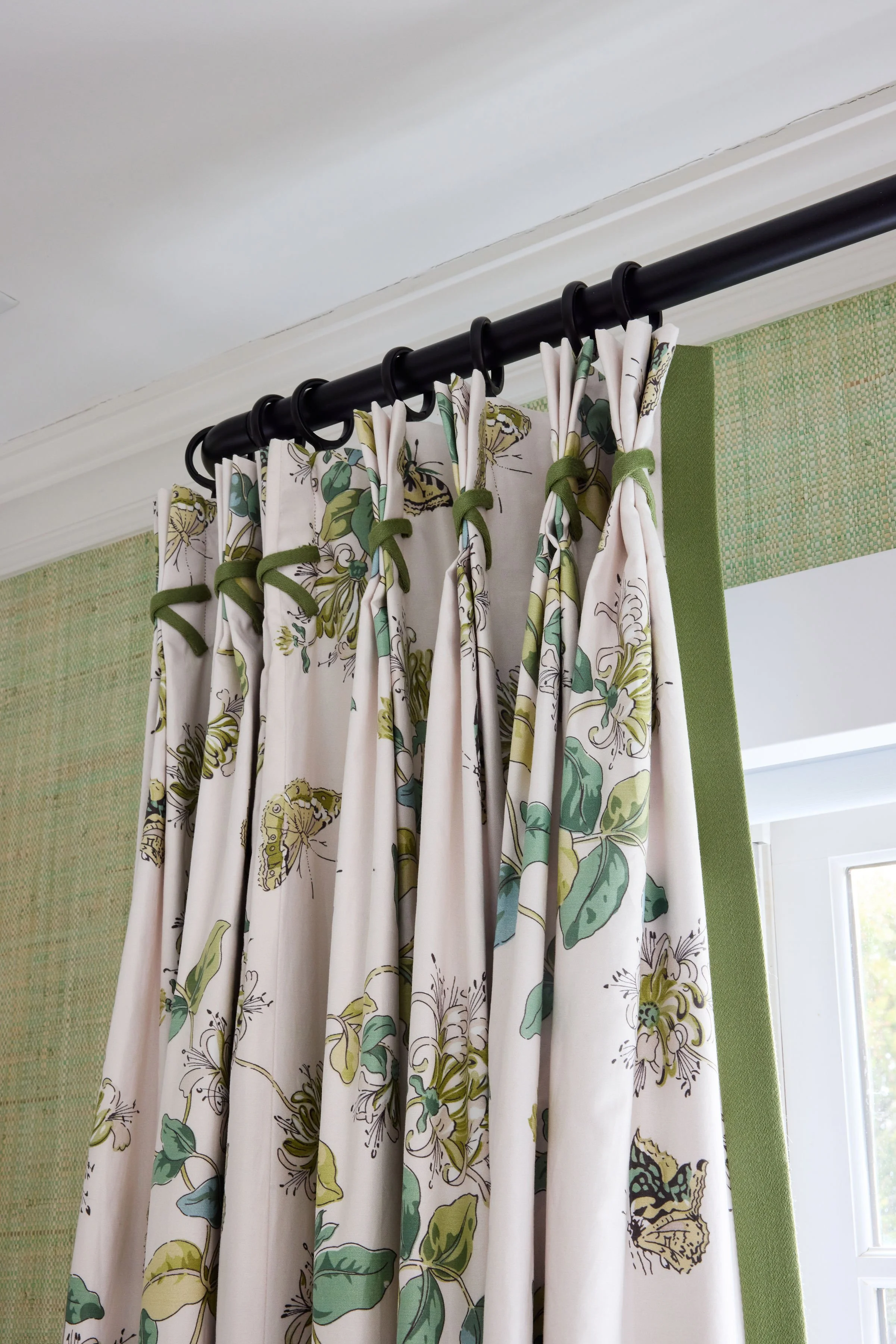
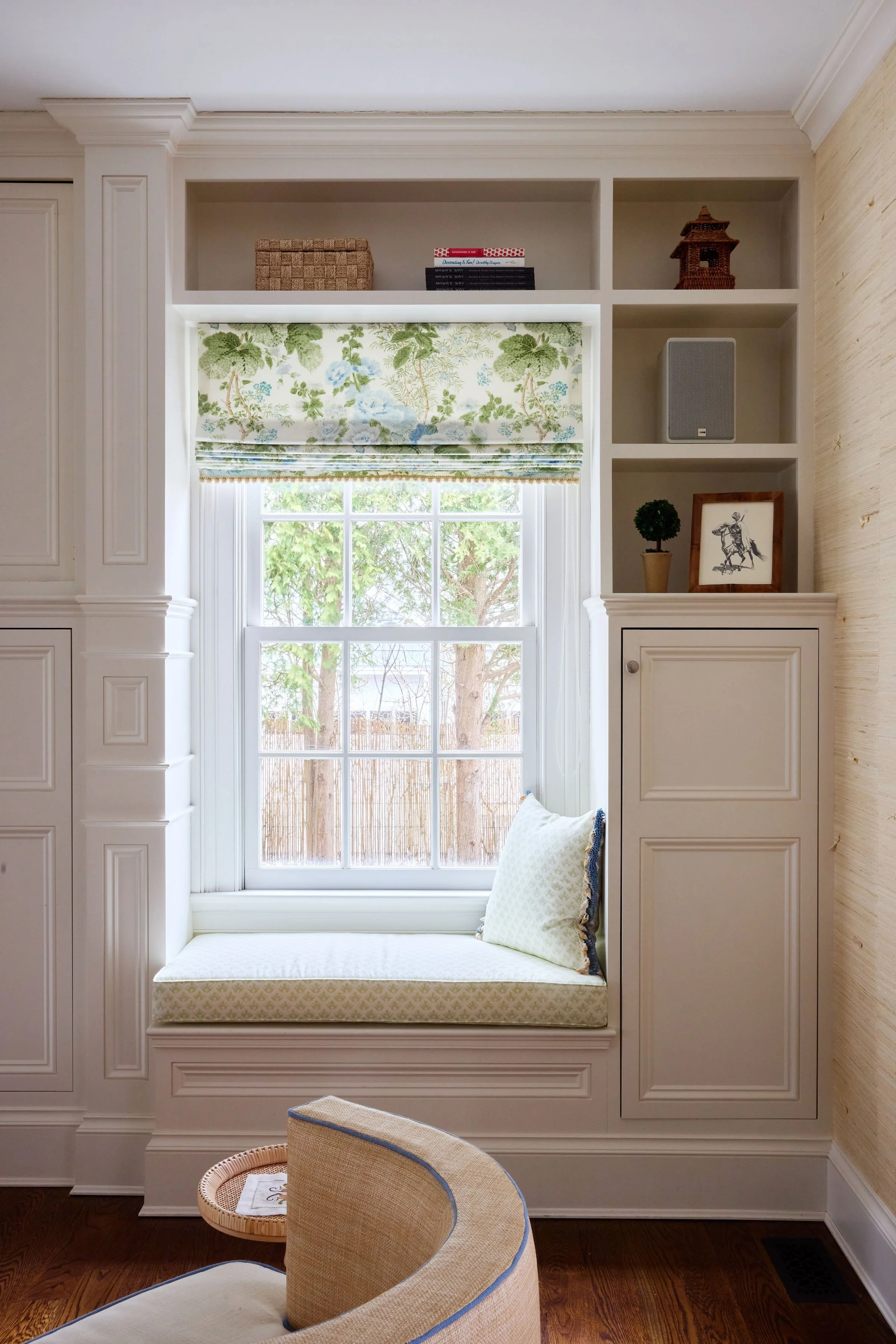
Clients are increasingly interested in how something is made, why it was selected, and what makes a space feel distinctive. There is a renewed appreciation for craftsmanship, from hand-applied wall treatments and beautifully executed millwork to custom upholstery, artisan-made lighting, decorative hardware, and details designed specifically for one home.
I don't think craftsmanship ever disappeared from great interior design. But I do think we're paying attention to it again.
And I'm very happy about that.
Moving Away From the Perfectly Purchased Room
There is nothing wrong with buying beautiful things. I source from retail vendors all the time and believe strongly in mixing high and low.
But a home becomes interesting when it doesn't feel as though everything could have been purchased from the same showroom on the same afternoon.
We're moving away from that perfectly coordinated approach.
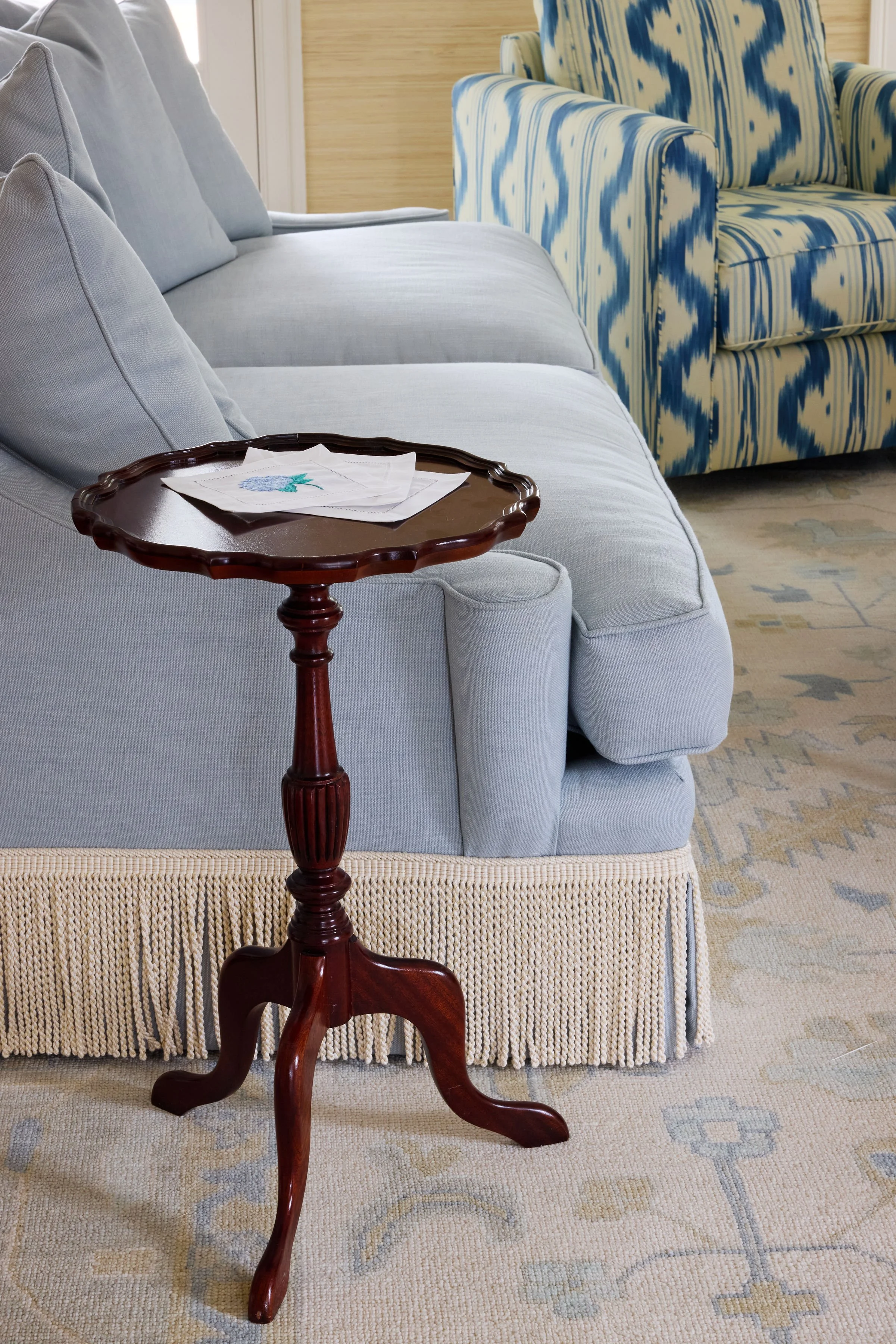
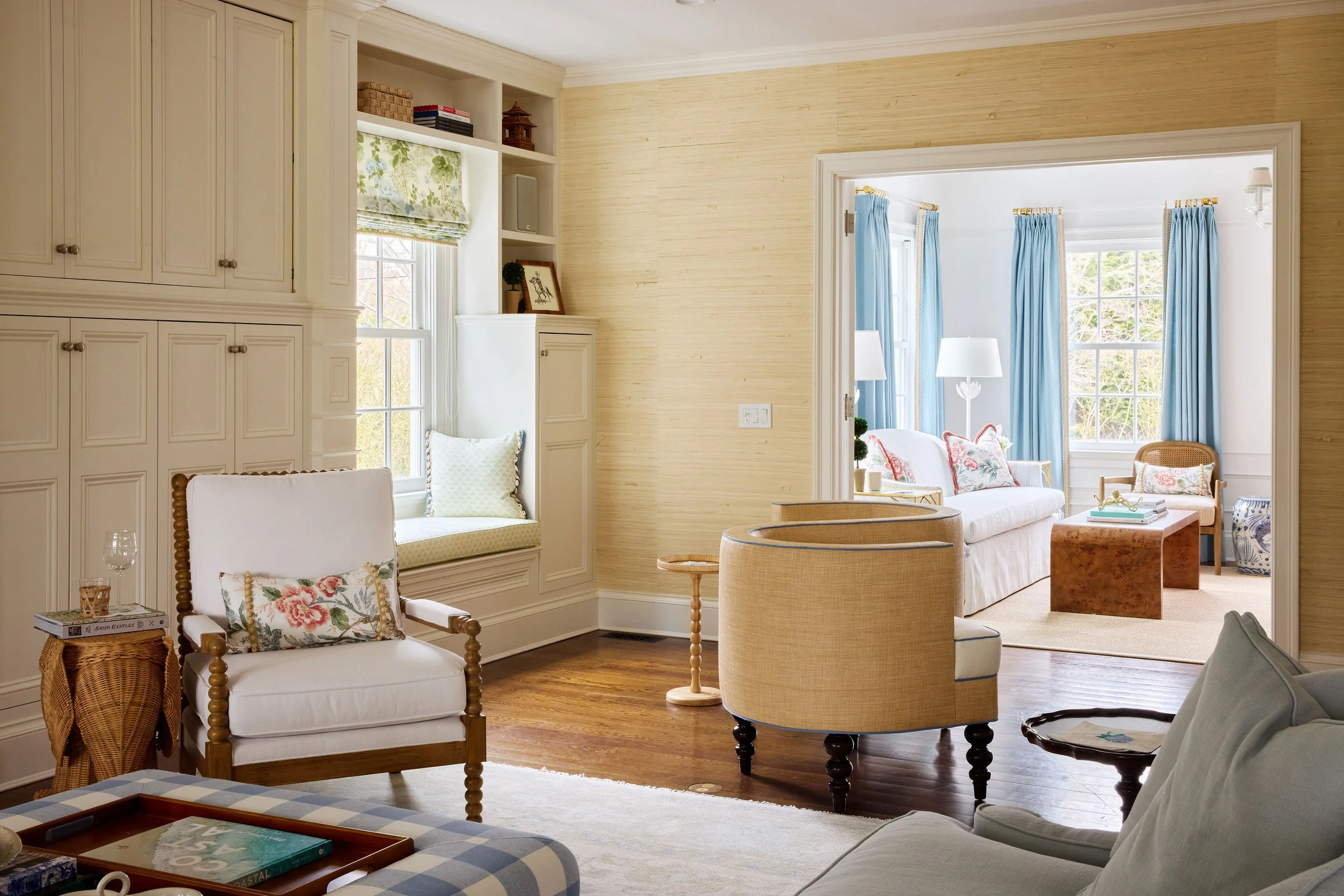
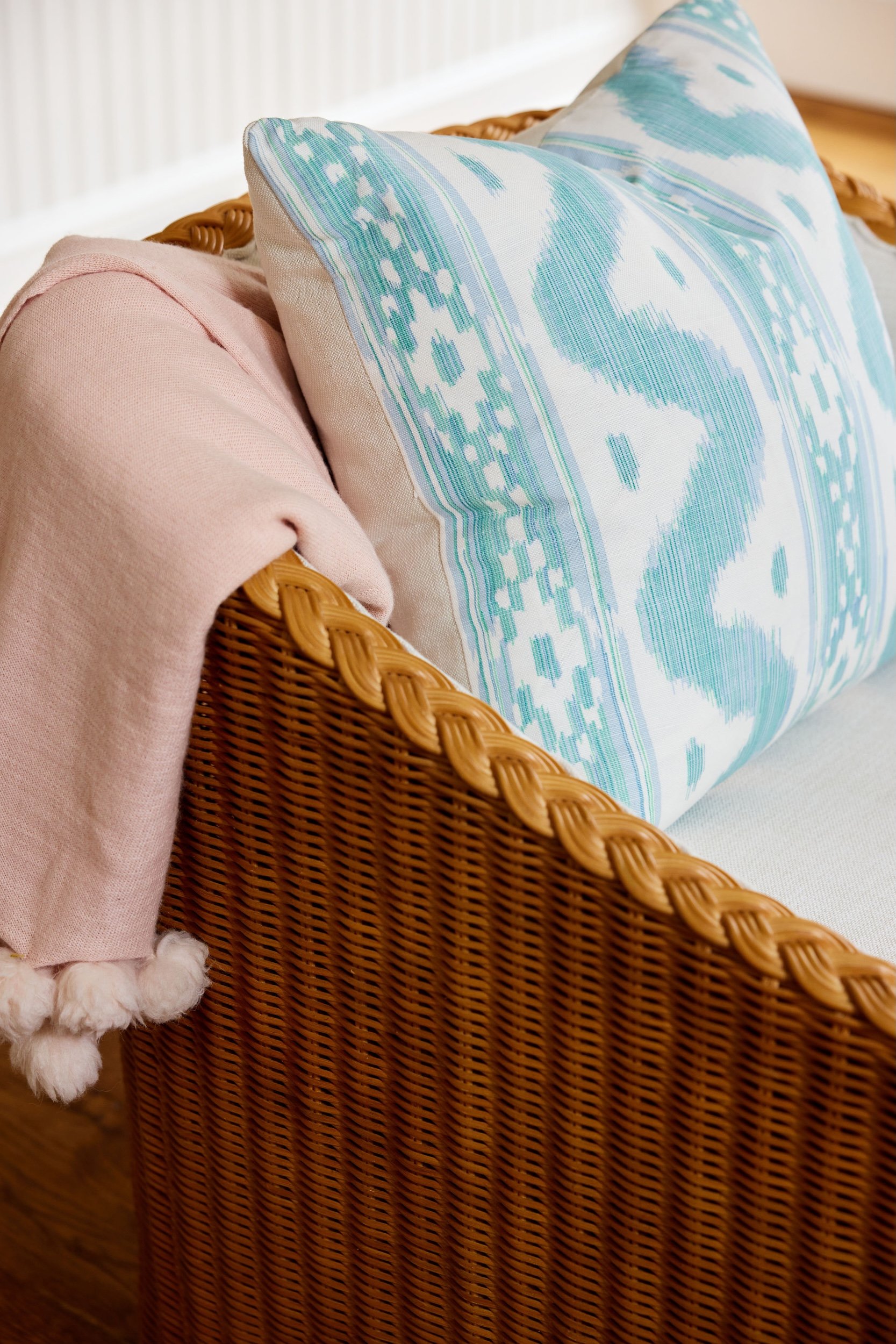
Instead, I'm seeing an appetite for interiors that feel collected, layered, and deeply personal. A vintage table might sit beside a new upholstered chair. A readily available sofa can be elevated with a beautiful custom pillow. An otherwise simple room can completely change through applied molding or a wonderfully detailed window treatment.
The individual pieces don't need to be expensive. They need to feel considered.
That distinction is important.
The Details Are Becoming the Design
I've always believed that the details are what ultimately separate a good room from a great one.
You can select beautiful furniture, but if the scale of the baseboard is wrong, the drapery is hung too low, the hardware feels undersized, or the millwork doesn't align properly, something about the finished room will feel off even if you can't immediately identify why.
Conversely, relatively simple materials can feel incredibly elevated when they're beautifully detailed.
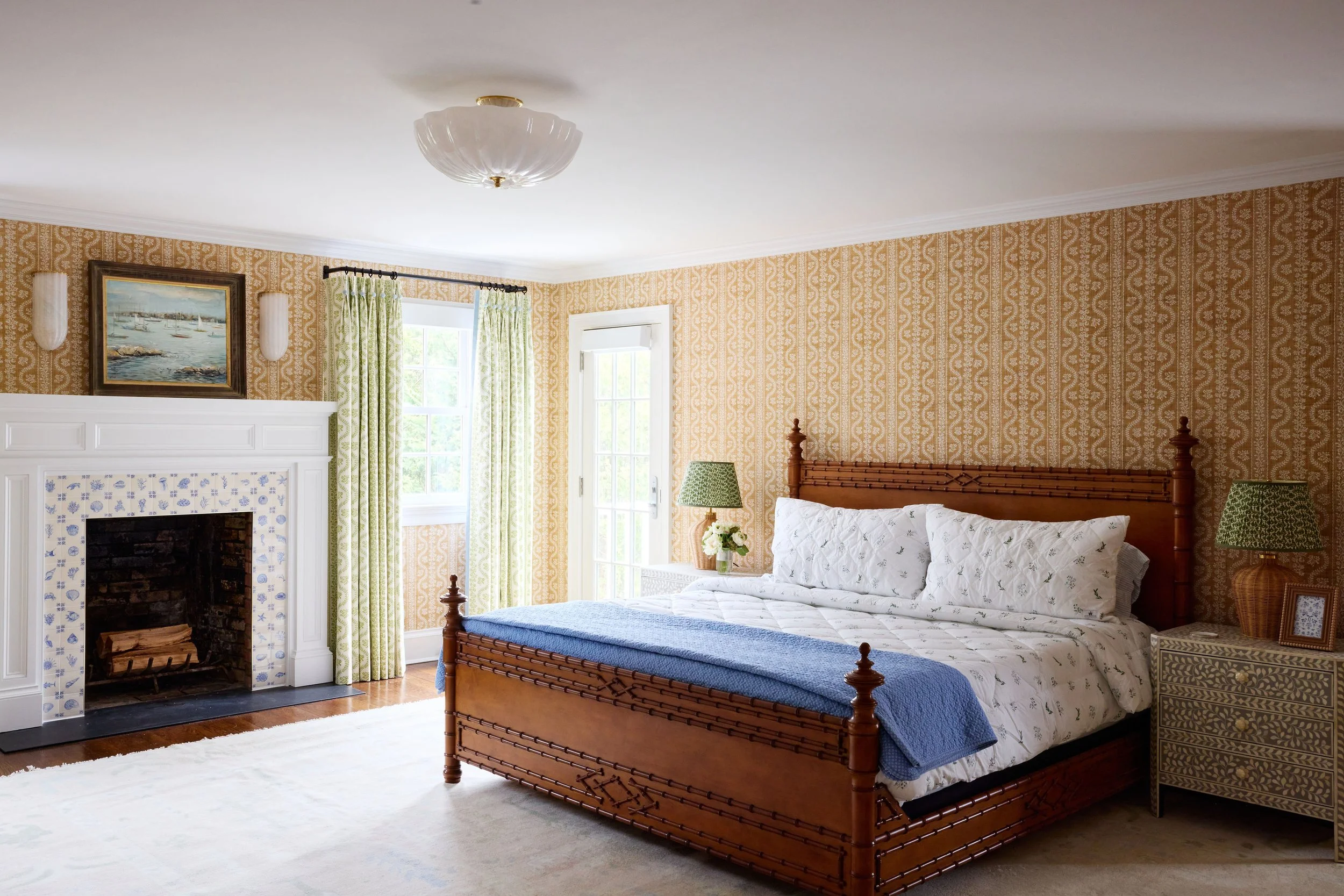
That is why I'm excited to see so much attention returning to decorative trim, cabinetry, millwork, architectural moldings, tailored window treatments, interesting hardware, and artisan materials.
These aren't necessarily the things someone notices first when entering a room.
They're often the reason the room feels special.
Why We're Craving Homes With More Personality
I think this renewed interest in craftsmanship is connected to another movement we're seeing in design: the return of personality.
After years of highly edited neutral interiors, people seem increasingly willing to have fun with their homes again.
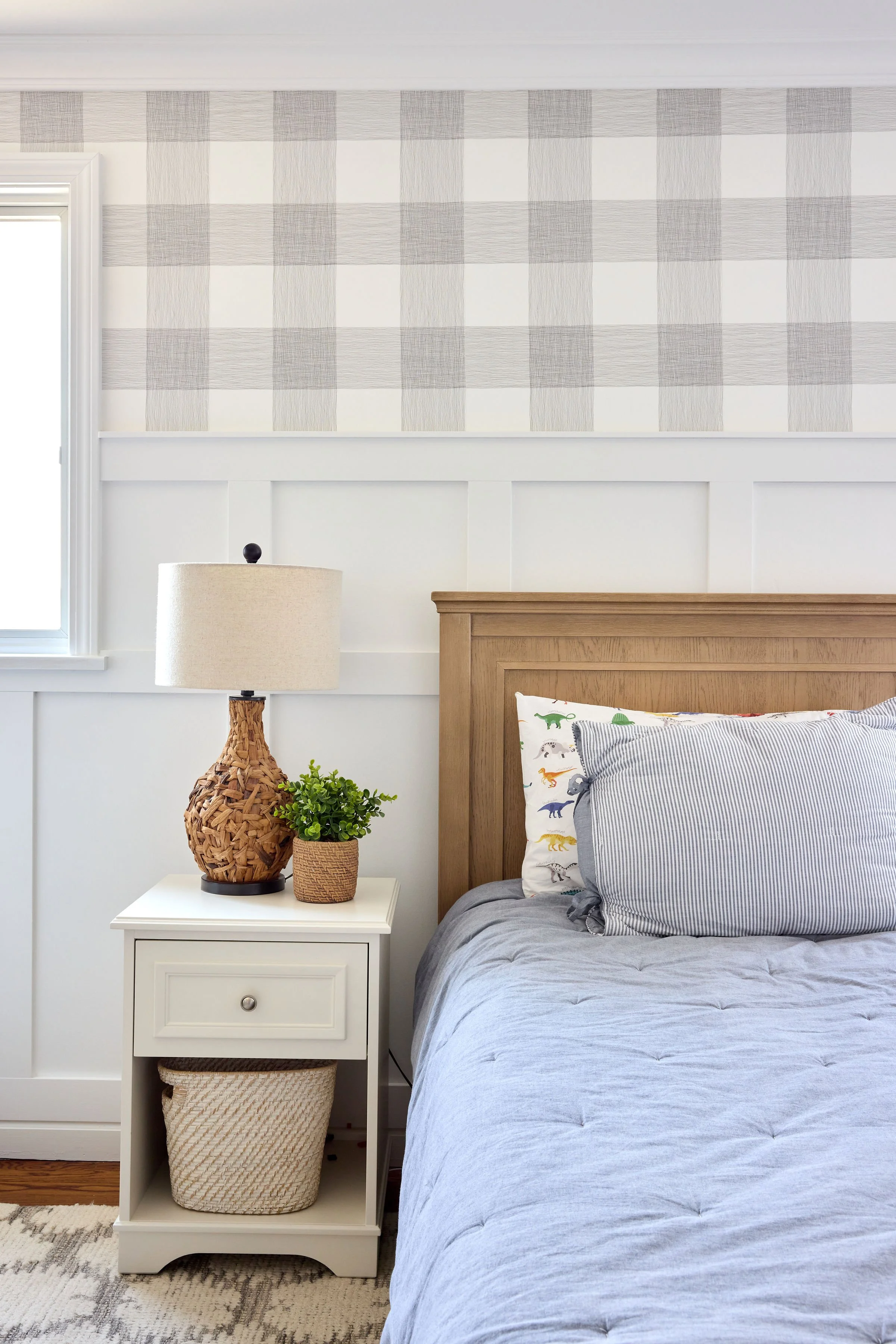
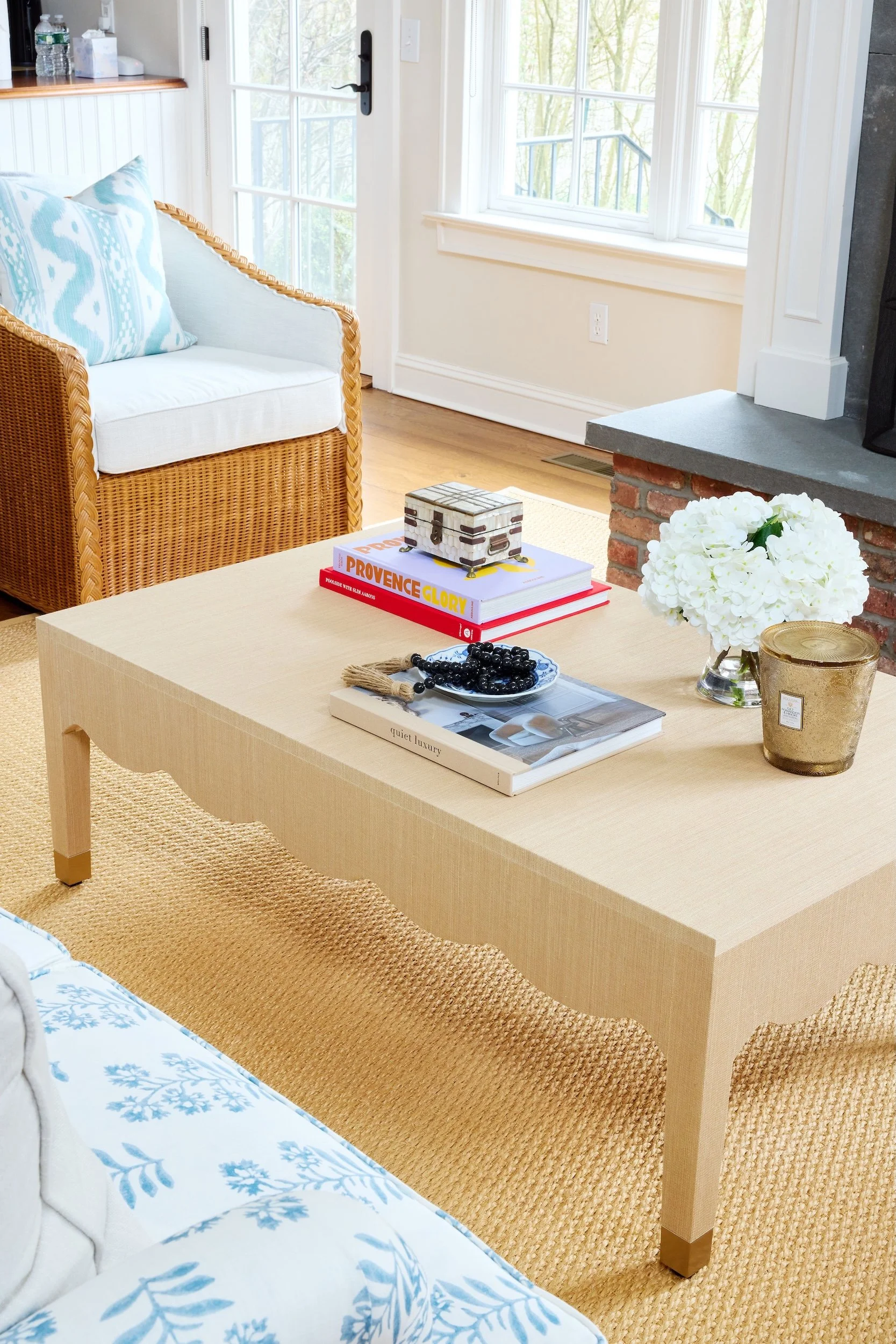
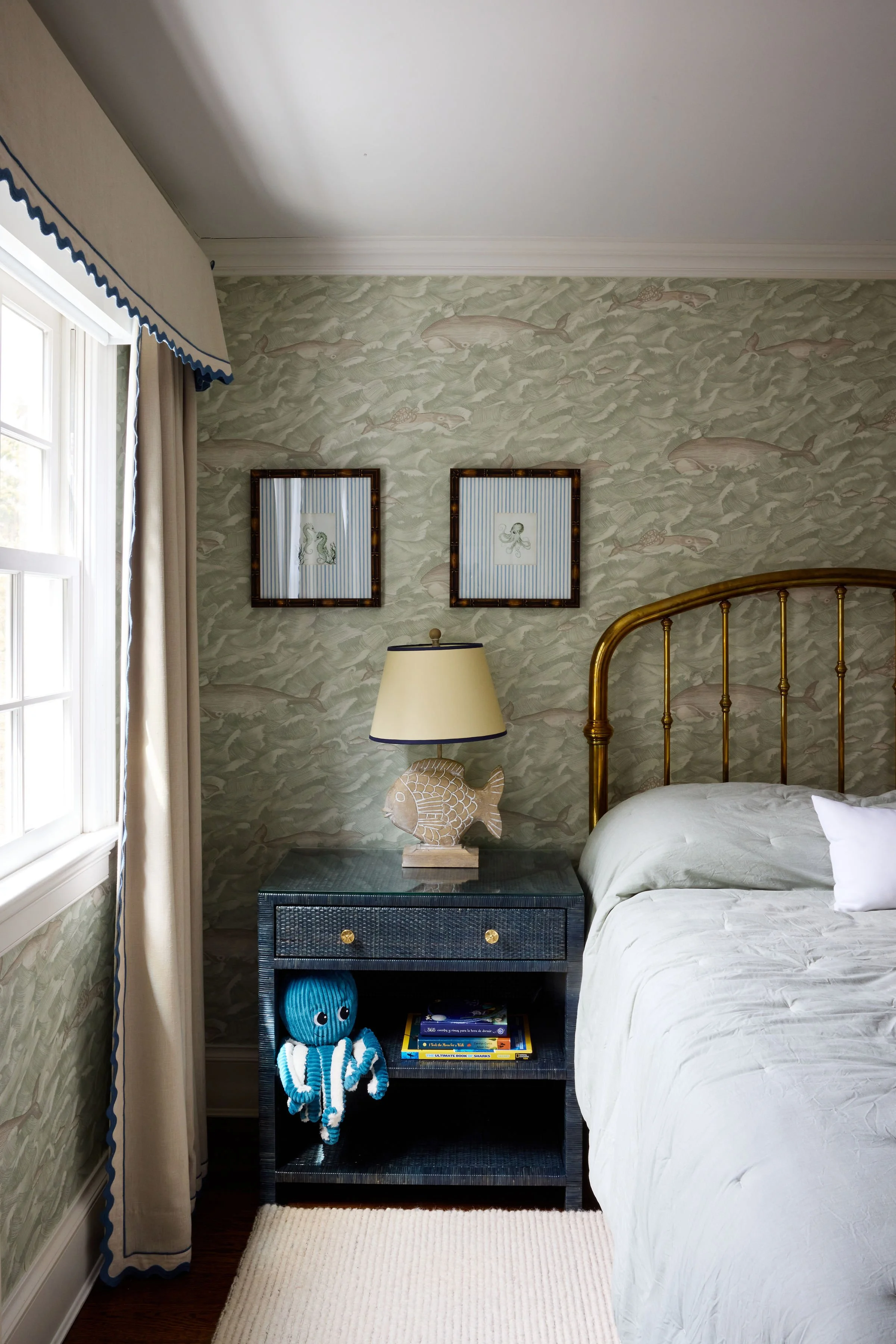
We're seeing pattern, color, scalloped edges, skirted furniture, pleats, wallpaper, painted cabinetry, decorative trims, antiques, florals, checks, and whimsical details.
Some people call it maximalism. Others call it granny chic or grandmillennial design.
I'm less interested in giving it a name.
What interests me is the permission it gives people to create homes that don't look exactly like everyone else's.
A beautiful home shouldn't simply demonstrate that you know what's currently fashionable. It should reveal something about you.
Whimsy Works Best When It's Grounded
I love whimsy, but I don't think every element in a room should be fighting for attention.
If I'm using a playful wallpaper, perhaps the furniture becomes quieter. If there's a wonderful scalloped table, it might sit on a simple natural-fiber rug. A traditional room might get one unexpected contemporary light fixture.
It's that tension that makes a room interesting.
I particularly love using whimsical details in spaces where you don't necessarily expect them: the inside of a bookcase, a powder room ceiling, the trim on a window treatment, an unusual cabinet knob, or the upholstery on an occasional chair.
Those little discoveries make a house feel layered rather than decorated.
Custom Doesn't Have to Mean Everything Is Custom
I also think there's a misconception that emphasizing craftsmanship means creating an extraordinarily expensive house where every piece is made to order.
That's not how I approach it.
Some of my favorite rooms combine custom millwork and artisan wallpaper with furniture from accessible retail sources. I might invest in beautiful drapery and then use a well-priced upholstered bed. Or design a custom built-in around pieces the client already owns.
The designer's job is knowing where craftsmanship will make a meaningful difference.
If the architecture of a room needs something, that's often where I invest. If an unusual dimension requires a custom solution, we solve it. If a beautiful trim will transform otherwise straightforward drapery, that's where we add detail.
The goal isn't to make everything custom.
It's to make the home feel like it couldn't belong to anyone else.
Designing Homes That Get Better With Time
Perhaps the biggest reason I'm drawn to this shift is longevity.
Trends inevitably change. A highly recognizable "look" can make a home feel dated surprisingly quickly.
Craftsmanship ages differently.
Beautiful millwork, natural stone, thoughtfully proportioned cabinetry, tailored upholstery, antique furniture, quality hardware, and carefully considered architectural details can live through many iterations of a home.
You can repaint the walls. Reupholster a chair. Change the pillows. Bring in new art.
The foundation remains.
For families in particular, I think that's incredibly important. I'm not interested in designing a home that looks perfect for one photograph and needs to be reinvented five years later. I want to create spaces that can absorb life: children growing up, furniture moving around, new art coming home, entertaining, pets, and changing tastes.
The best craftsmanship gives us that foundation.
What I Hope We See More of in 2026
If there's one "trend" I hope continues through 2026 and beyond, it's a move away from designing homes to fit neatly within a particular aesthetic category.
I want to see more rooms that are difficult to label.
More antiques next to contemporary pieces. More color used confidently. More natural materials. More artisans and workrooms creating things by hand. More beautiful millwork. More decorative trim. More wallpaper. More pieces with history. And definitely more moments that make you smile.
Ultimately, I think luxury in interior design is becoming less about having the most recognizable thing and more about having something thoughtful, beautifully made, and personal to you.
That's not really a trend at all.
That's what makes a home worth keeping.
Style and Space Interiors is based in Sleepy Hollow, New York, and serves clients throughout Westchester County, the Hamptons, NYC, and beyond.