5 Ways to Make Your Home’s Spaces Work Double Duty
We ask a lot of our homes.
A guest room may need to function as an office most of the year. A family room needs somewhere to hide toys. A dining area might host Thanksgiving one night and mahjong the next. And sometimes the prettiest piece of furniture in a room also needs to be the place where you stash extra blankets.
At Style and Space Interiors, we believe a room can be beautiful without having just one purpose. In fact, some of the best design decisions are the ones you barely notice: a desk that disappears when guests arrive, an ottoman with hidden storage, or a side table that happens to be the perfect size for game night.
Here are five of our favorite ways to make your home work a little harder without sacrificing style.

1. Choose Furniture That Does More Than One Thing
When selecting furniture, think beyond its primary purpose.
An upholstered ottoman can serve as a coffee table, extra seating, and a place to put your feet up. Add a beautiful tray when you need a hard surface for drinks.
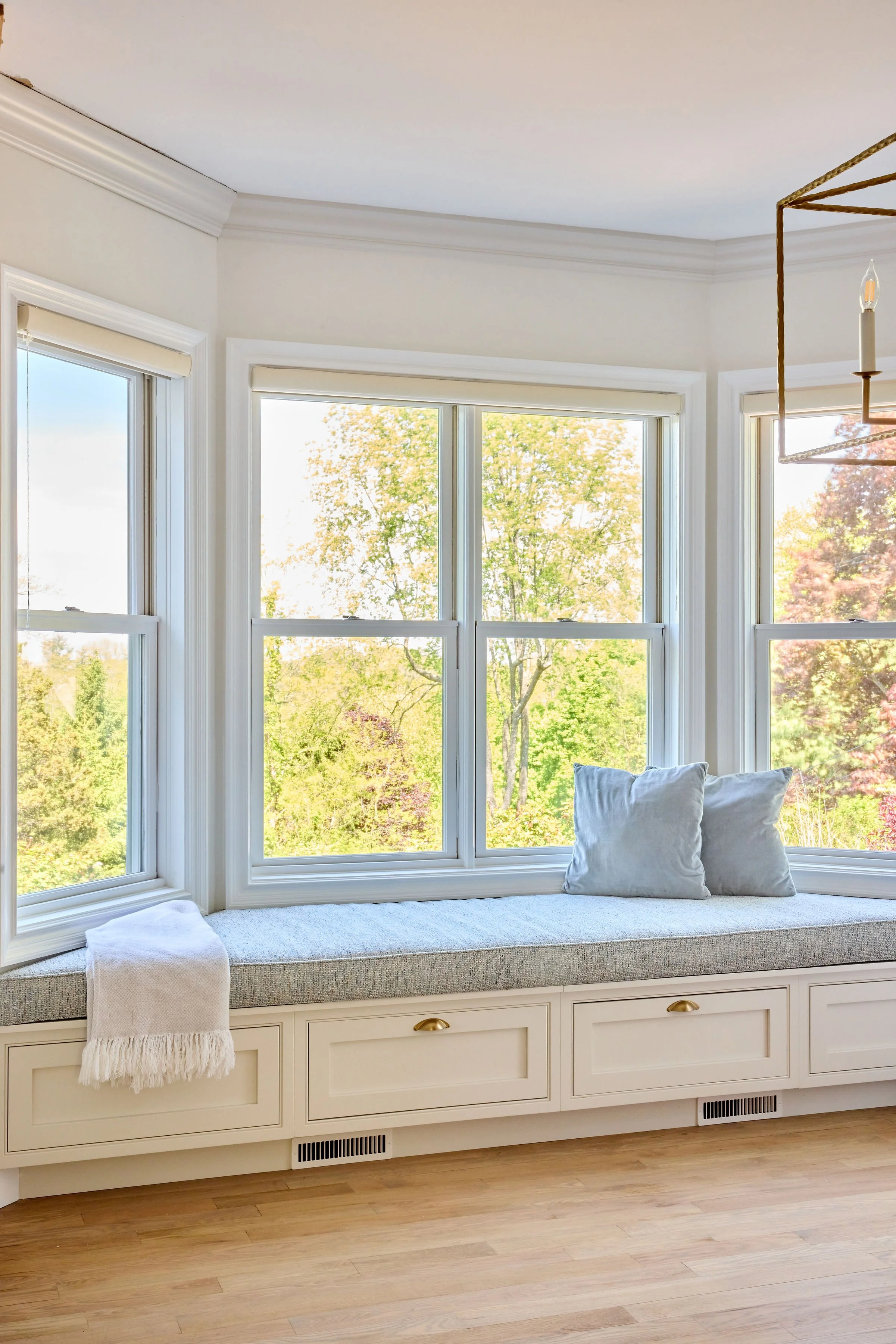
A console can become a desk. A bench can provide seating while hiding storage underneath. A small chest can work as a side table while holding games, linens, or toys.
We also love pieces that can transition when you're entertaining. A generously sized side table, for example, might normally hold a lamp and a stack of books but be pulled into the center of the room for a game of mahjong or cards.
The best multipurpose furniture doesn't look multipurpose. It simply happens to be incredibly useful.
2. Make the Guest Room Earn Its Square Footage
If a room is used by overnight guests a handful of times each year, it shouldn't need to sit empty the rest of the time.
Guest rooms are perfect candidates for home offices, libraries, exercise spaces, or calm retreats.
A beautifully designed Murphy bed can completely disappear into cabinetry and allow a room to function as an office every day. A daybed can look like a sofa until a guest arrives. A desk can double as a bedside table or vanity.
Built-ins are particularly useful here because you can design exactly what the room needs: a concealed bed, desk, bookshelves, file storage, and closed cabinetry can all live together without making the space feel crowded.
When guests arrive, the room transforms. When they leave, you get the square footage back.
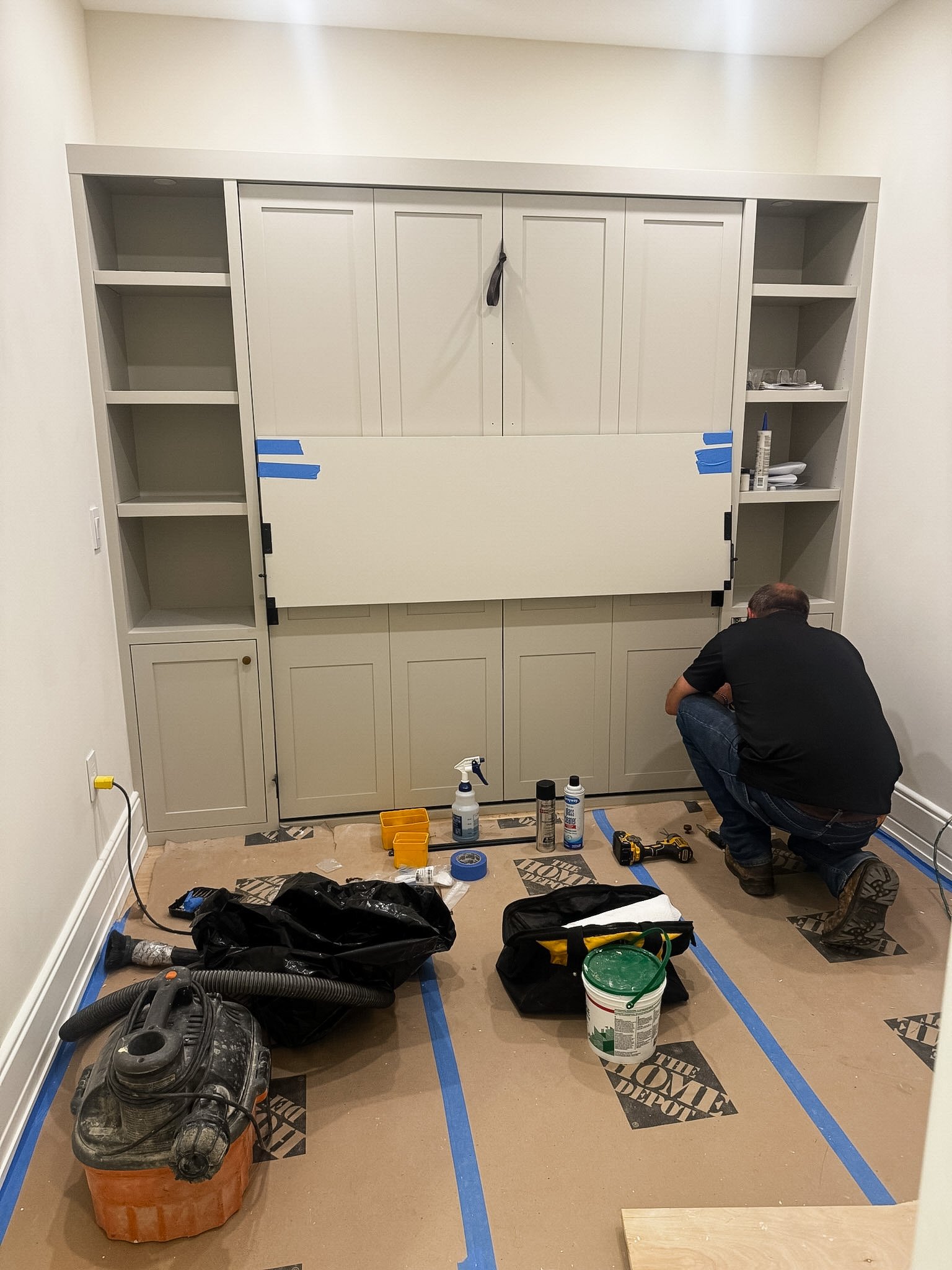
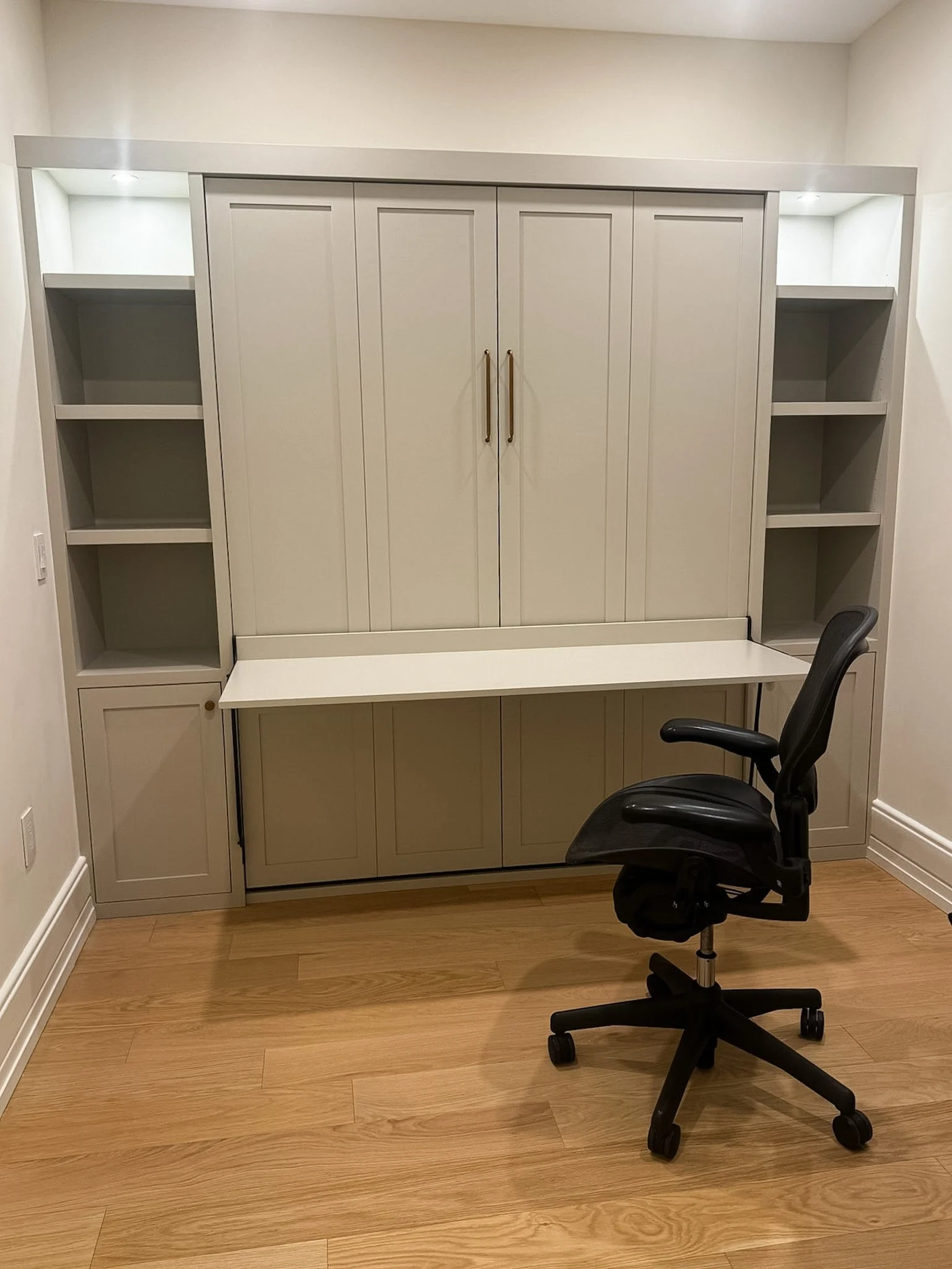
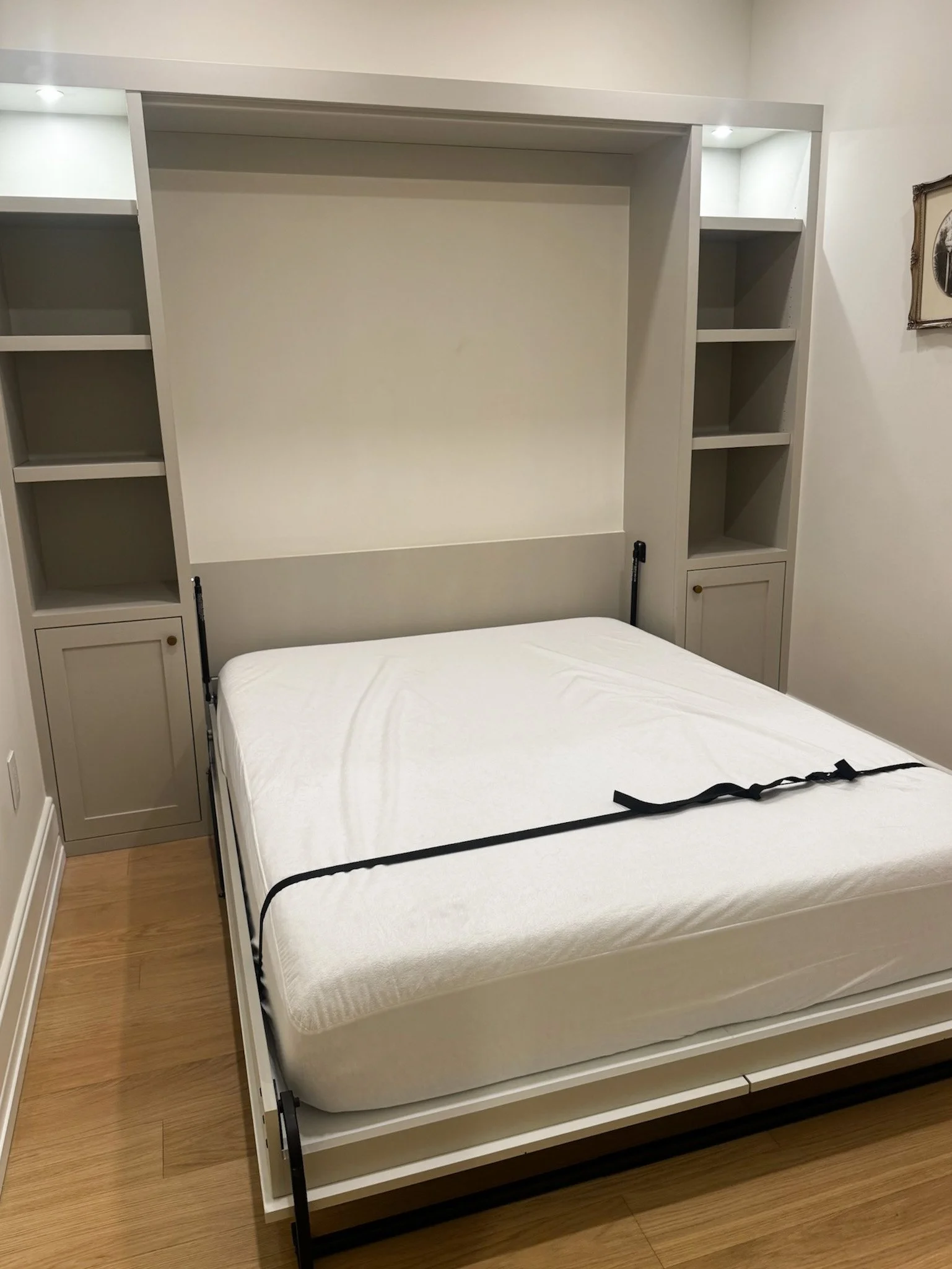
A custom-designed (by us at Style and Space Interiors) and built wall bed with desk at The Daymark in Sleepy Hollow, NY. Millwork by Wainscot Solutions.
3. Build Storage Into the Room From the Beginning
Multifunctional spaces work best when everything has somewhere to go.
If a family room also functions as a playroom, incorporate closed storage for toys. If your dining room becomes a game room, give cards, mahjong sets, and puzzles a designated cabinet or drawer nearby. If an office becomes a guest room, make sure paperwork and office supplies can disappear when someone comes to stay.
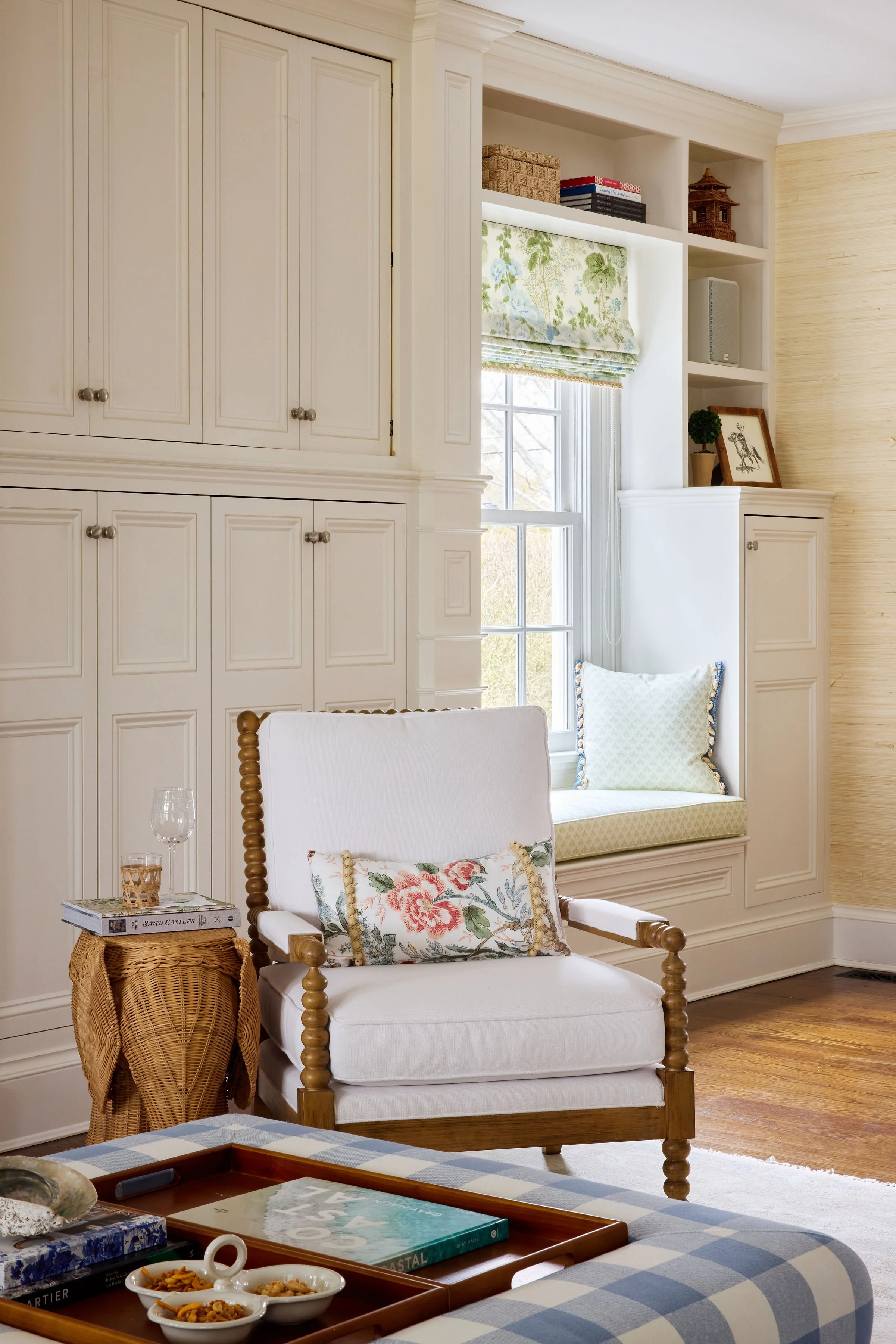
We love built-ins that combine open shelving with closed cabinetry. You get beautiful space for books, art, and accessories, while the less attractive necessities of everyday life stay behind doors.
Freestanding furniture can accomplish the same thing. Skirted tables, vintage chests, storage ottomans, baskets, and armoires can all conceal an enormous amount without making a room feel utilitarian.


4. Design for How a Room Changes Throughout the Day
A room doesn't necessarily need two permanent zones to have two purposes.
Sometimes flexibility is about choosing pieces that can move.
A small table can pull up to a sofa when someone wants to work on a laptop. Lightweight occasional chairs can move from one conversation area to another when guests arrive. A game table can live against a wall as a console and move into the room when needed.
Lighting matters here, too. A room that functions as an office during the day and a den at night needs both good task lighting and softer ambient lighting.
Think about what needs to move, what needs to disappear, and what needs to stay accessible as the room transitions from one use to another.
5. Don't Sacrifice Beauty for Function
Practical furniture doesn't have to look practical.
We would much rather find a beautiful vintage chest with drawers than add a generic storage unit to a living room. A gorgeous skirted table can conceal storage underneath. Custom cabinetry can hide a television, printer, bar, desk, or even an entire bed.
Even baskets, trays, file boxes, and other organizational pieces can contribute to the design when their materials and colors are considered as part of the room.
This is where thoughtful design makes such a difference. Instead of adding functional solutions after the room is finished, incorporate them into the design from the beginning.
The goal is for someone to walk into the room and notice how beautiful it is, not how many jobs it is doing.
Make Every Square Foot Count
Multifunctional design isn't only for small homes.
No matter how much space you have, it makes sense to create rooms that adapt to the way you actually live. A formal dining room that is used three times a year isn't nearly as valuable as a beautiful dining room where your family also does homework, plays games, hosts friends, and spends time together.
The trick is not cramming more functions into every room. It's identifying where a little flexibility could make your home work better for you.
Choose furniture that can serve more than one purpose, create places for everyday clutter to disappear, and think about how your rooms can evolve throughout the day and throughout the years.
A beautiful home shouldn't dictate how you live in it. It should make living in it easier.

Ready to make your home work harder for you?
Whether you're rethinking a guest room, adding custom storage, or looking for ways to make your existing spaces more flexible, we'd love to help you find solutions that are as beautiful as they are practical.
Style and Space Interiors is based in Sleepy Hollow, New York, and serves clients throughout Westchester County, the Hamptons, NYC, and beyond.