A beautifully styled living space should feel polished, personal, and comfortable. It is not about filling every surface or following a single design trend. It is about creating balance, choosing pieces with intention, and arranging the room in a way that supports how you actually live.
Whether you are furnishing a room from scratch or refreshing a space that feels unfinished, these seven design principles will help you create a living area that feels layered, cohesive, and uniquely yours.

1. Start With the Right Rug Size
A rug establishes the boundaries of a seating area and helps all the furniture feel connected. One of the most common styling mistakes is choosing a rug that is too small for the room.
Ideally, the rug should be large enough for at least the front legs of the sofa and surrounding chairs to sit comfortably on it. In a larger living room, placing all the furniture fully on the rug can make the space feel even more intentional and luxurious.
Before ordering, use painter’s tape to mark the proposed rug dimensions on the floor. This simple step will help you understand how the size relates to the furniture and the overall scale of the room.
The rug should also extend beyond the sides of the sofa rather than ending directly underneath it. A generous rug creates visual breathing room and makes the entire seating arrangement feel more substantial.
2. Create a Thoughtful Mix of New and Old
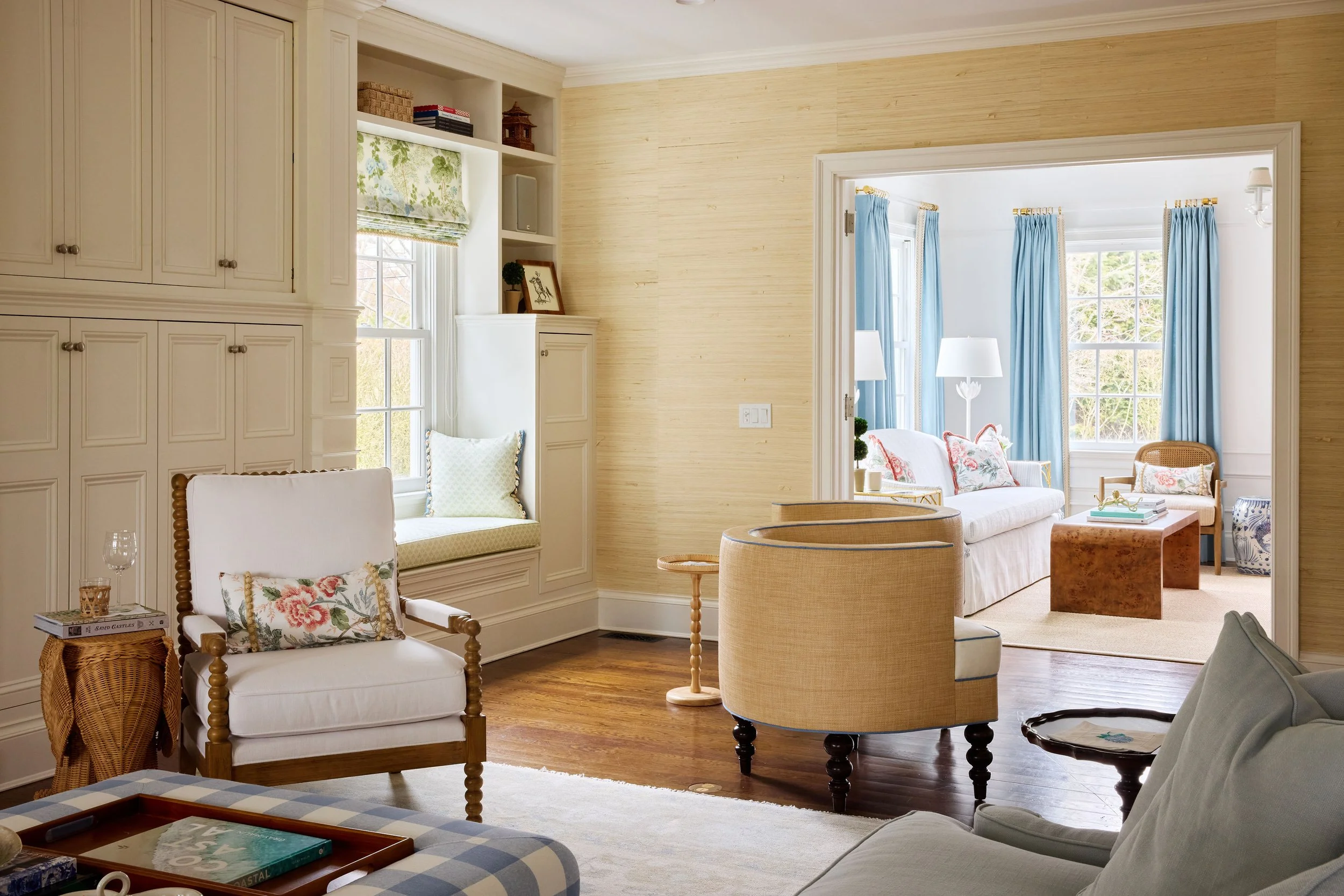
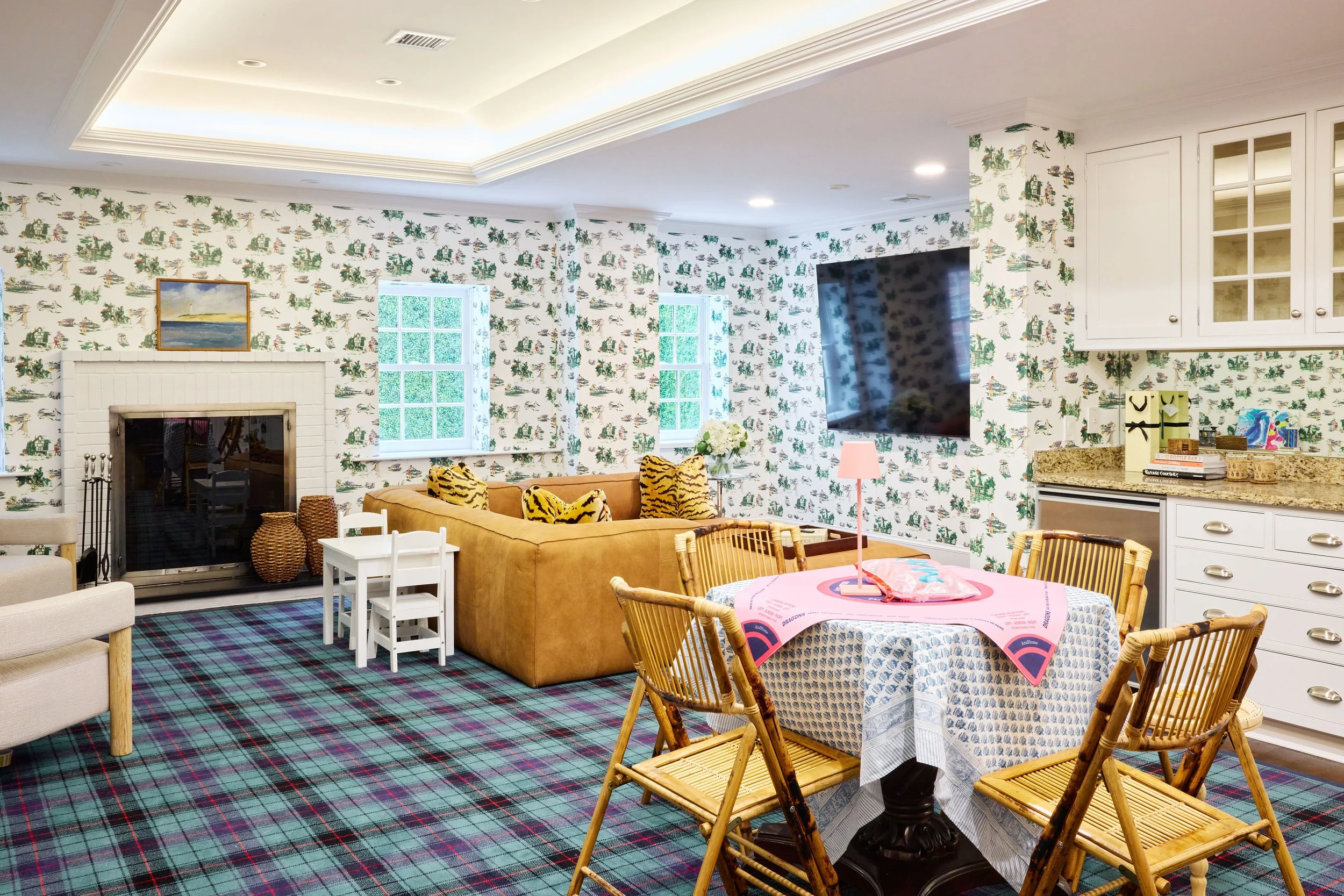
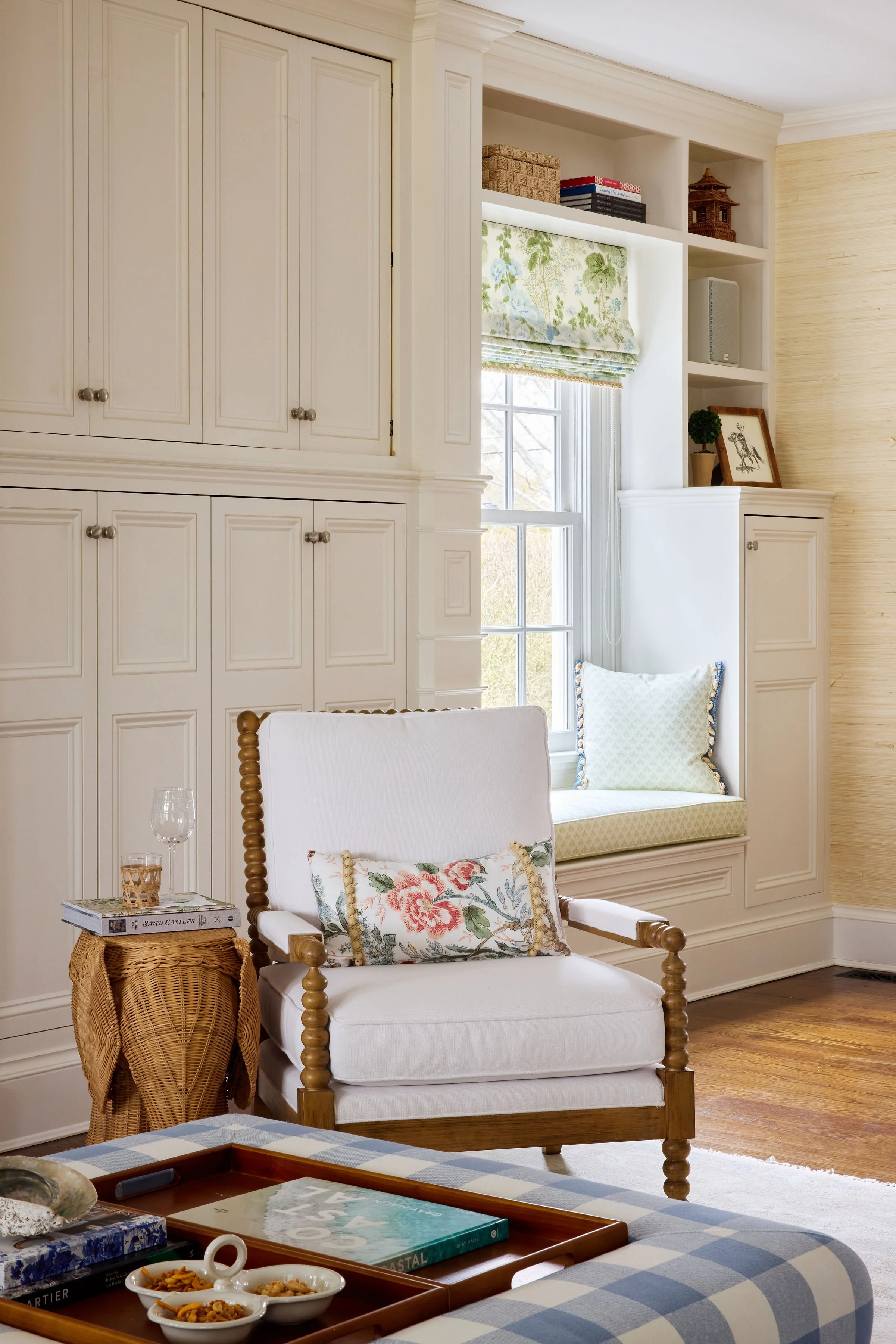
Rooms feel most interesting when they do not look as though everything was purchased from the same place at the same time. Mixing new furnishings with antique, vintage or inherited pieces creates depth and gives a home a sense of history.
Pair a clean-lined new sofa with an antique side table, or place a contemporary lamp on a vintage chest. A traditional chair can feel fresh in an unexpected fabric, while an old wooden table can add warmth to a room filled with newer upholstery.
The goal is not to make every piece match. Instead, look for relationships between color, shape, material and scale. Repeating a wood tone, metal finish or color in several places will help pieces from different periods feel connected.
This is a topic worthy of its own post because the right combination of old and new is often what makes a room feel collected, personal and impossible to replicate.


3. Hang Curtains High and Wide
Window treatments have an enormous effect on how a room feels. Hanging drapery too close to the window frame can make both the windows and the room appear smaller.
Whenever possible, install the curtain rod several inches above the window casing or closer to the ceiling. Extend the rod beyond each side of the window so the panels can stack primarily against the wall when open. This allows more natural light into the room and makes the window feel wider.
Full-length curtains should reach the floor. I generally prefer panels that just touch the floor or have a very slight break for a tailored but relaxed appearance.
Even simple sheer panels can soften the architecture, filter harsh daylight and add movement to a room. The fabric does not need to be elaborate to make a meaningful difference.
4. Arrange Furniture for Connection
Furniture placement should begin with how the room will be used. In a living space, the arrangement should support conversation and make it easy for people to move through the room.
Avoid automatically pushing every piece against a wall. Floating a sofa or pair of chairs can create a more intimate seating area and make a large room feel more inviting. Chairs should be close enough to the sofa that guests can speak comfortably without feeling as though they are sitting across the room from one another.
Consider the natural pathways through the space and leave enough room to move around the furniture without disrupting the seating area. A clear circulation path will make the room feel more spacious, even when it contains several pieces.
If the room has a focal point, such as a fireplace, view or piece of artwork, use it to guide the arrangement without forcing every piece to face it directly.

5. Build a Cohesive Color Palette
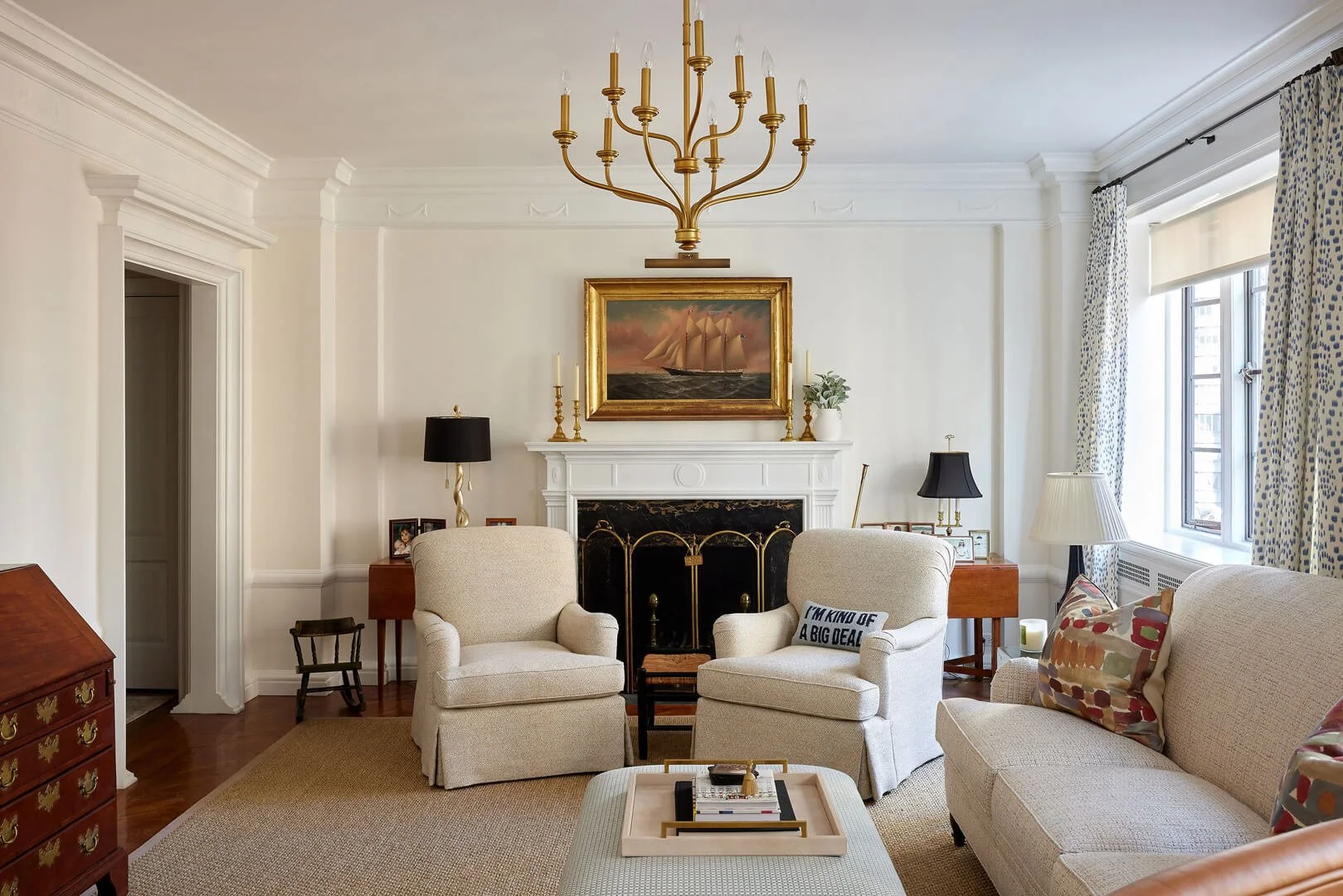
A successful color palette does not mean using the same color everywhere. It means creating a thoughtful relationship among the colors in the room.
Begin with one or two foundational neutrals, then introduce a few supporting colors through upholstery, pillows, artwork, rugs and accessories. Repeating each color in more than one location helps the palette feel deliberate.
Pay attention to undertones. A cool gray sofa may not sit comfortably beside a warm cream rug, even though both are technically neutral. Look at samples together in the actual room and observe them throughout the day, since natural and artificial light can dramatically change how colors appear.
The most layered rooms often include a range of values. Pair lighter walls or upholstery with medium wood tones and a few deeper accents to give the eye somewhere to rest.
6. Choose a Coffee Table That Fits the Seating
A coffee table should be both beautiful and functional. Its proportions need to relate to the sofa and the surrounding seating.
As a general guideline, choose a coffee table that is approximately two-thirds the length of the sofa. Leave about 16 to 18 inches between the table and the seating so there is enough room to walk while keeping the surface within comfortable reach.
The height should be close to the height of the sofa seat, although slightly lower can also work. A table that is too small may feel insignificant, while one that is too large can interrupt movement through the room.
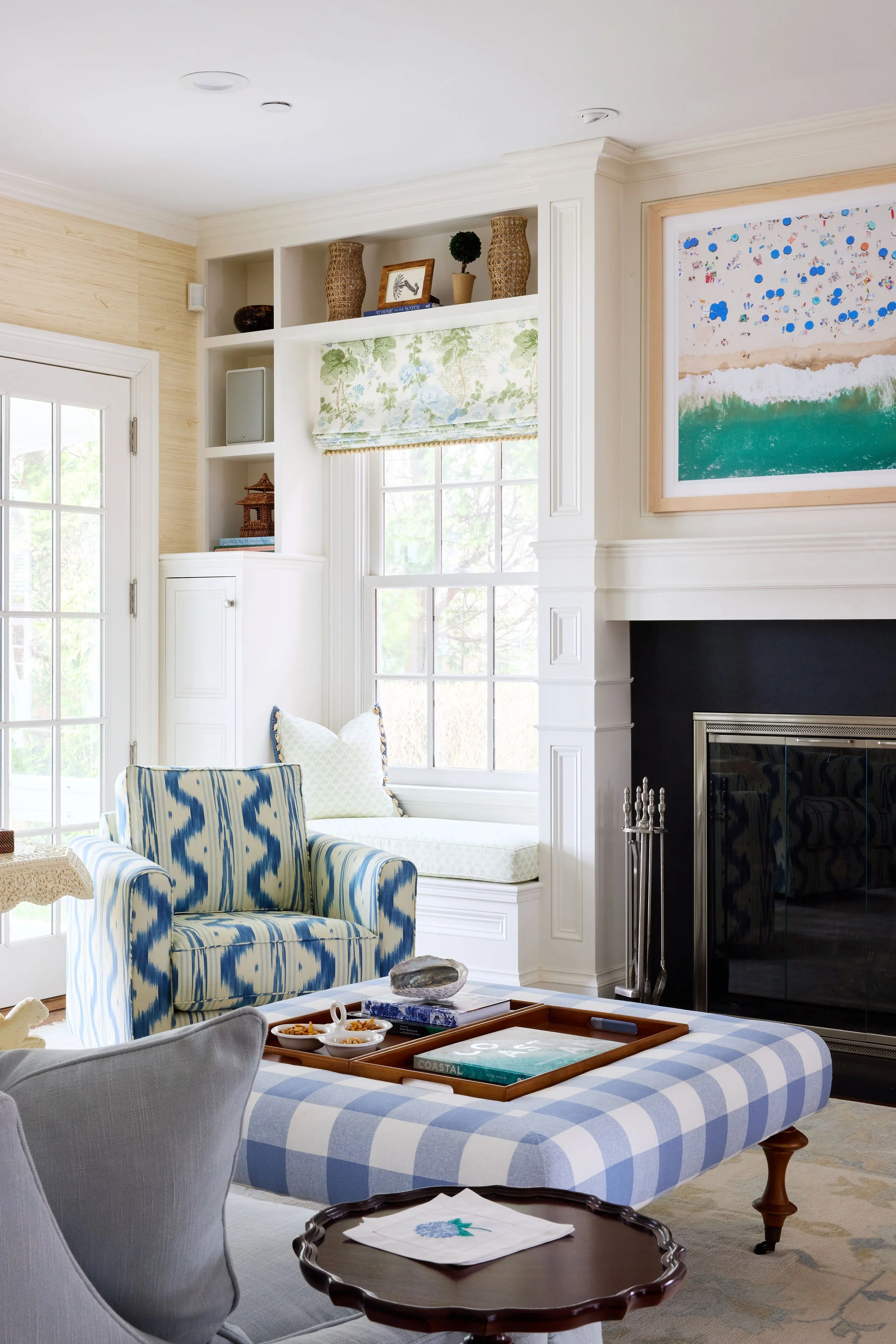
Shape also matters. A rectangular table works naturally with a longer sofa, while a round or oval table can soften a room with many straight architectural lines. In homes with young children, rounded edges can also be a practical consideration.
When styling the surface, leave room for real life. A tray, a few books, a sculptural object and something organic can create interest without making the table feel crowded.


7. Layer Lighting and Pay Attention to Warmth
A single overhead fixture is rarely enough to make a living room feel comfortable. The best lighting plans use several sources at different heights.
Combine ambient lighting, such as a chandelier or recessed lighting, with floor lamps, table lamps, sconces and focused reading lights. Placing light throughout the room creates depth and allows the atmosphere to shift depending on the time of day or how the space is being used.
Whenever possible, install dimmers so the brightness can be adjusted. Use warm bulbs, generally around 2700K, to create a soft and inviting glow. Cooler bulbs can make residential interiors feel harsh and may distort the colors of fabrics, paint and finishes.
Lamp placement should also support the furniture arrangement. A floor lamp beside a reading chair and table lamps near the sofa make the room more functional while adding symmetry, height and warmth.
Creating a Room That Feels Like You
The most successful living spaces are not necessarily the most perfectly coordinated. They are the rooms that feel comfortable, considered, and personal.
Start with the foundational elements, including the rug, furniture arrangement, window treatments, and lighting. Then add color, texture, artwork, and meaningful objects gradually. A room often becomes more interesting over time as it collects pieces that reflect the people who live there.
Good styling is not about adding more. It is about understanding what the room needs, choosing thoughtfully, and giving every element enough space to be appreciated.
Ready to create a living space that feels distinctly yours?
Whether you're furnishing a room from scratch or refreshing a space that needs a little more attention, we'd love to help you bring together the furniture, color, lighting, and finishing details that make a room feel beautiful, comfortable, and personal. Get in touch to schedule a complimentary consultation.
Style and Space Interiors is based in Sleepy Hollow, New York, and serves clients throughout Westchester County, the Hamptons, NYC, and beyond.