Fall Trayscaping Essentials
A simple formula for creating a warm, layered moment that feels collected, useful and unmistakably autumnal.
There is something about fall that makes us want to gather things closer. A tray is the perfect place to do it. It can bring order to a coffee table, soften a kitchen island, or turn an overlooked console into a small seasonal moment. The best trayscapes do not feel decorated for a single holiday. They feel layered, lived-in, and gently connected to the season.
The secret is restraint.
Rather than filling a tray with every sign of autumn, choose a few beautiful objects with different heights, textures, and purposes. The result should look as though it evolved naturally, not as though it arrived as a matching set.

Start with the right tray
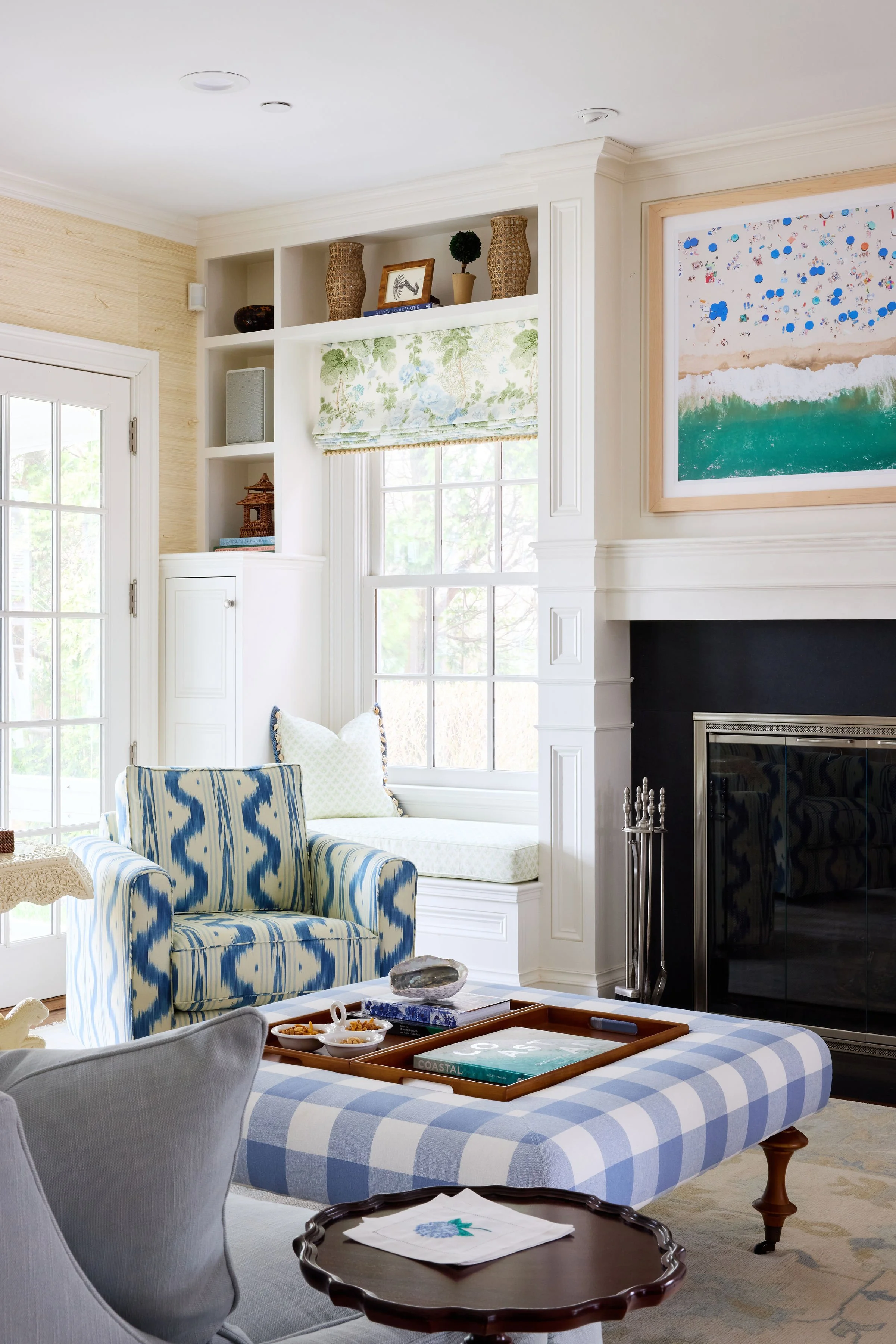
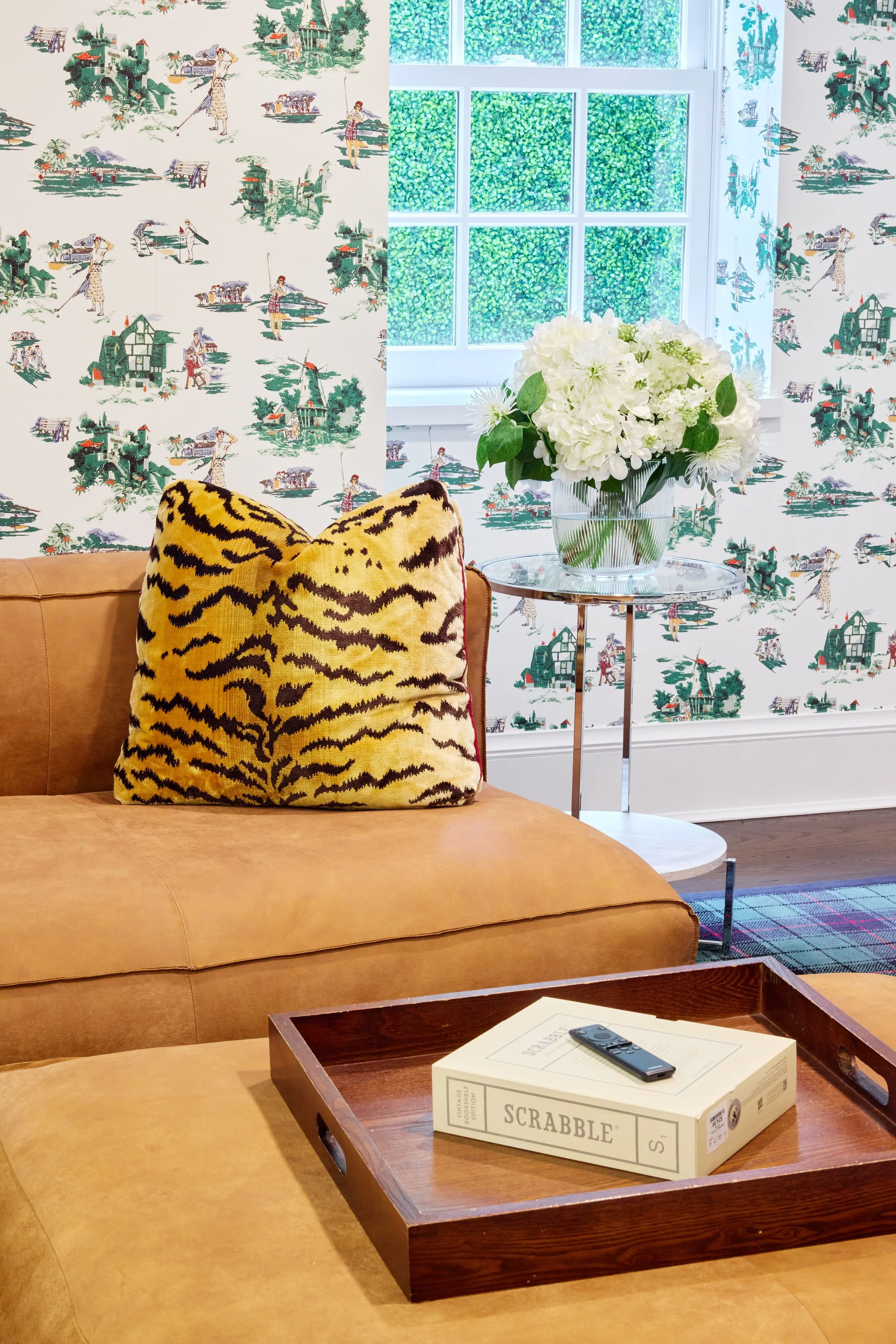
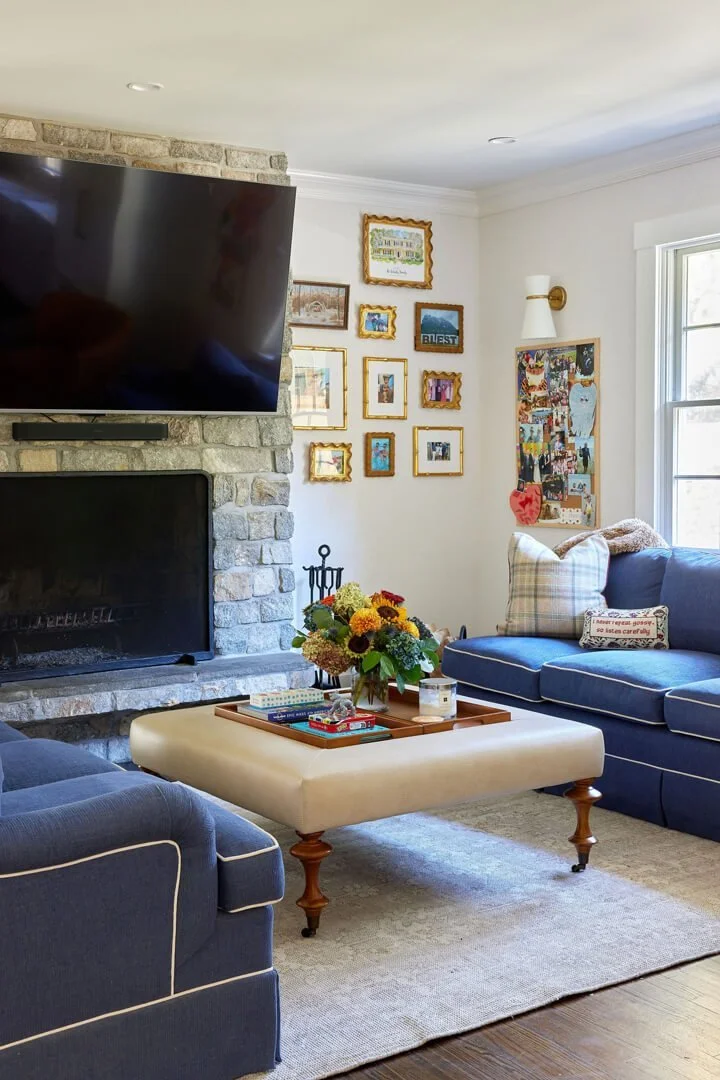
The tray is your foundation, so choose one that relates to the room instead of competing with it. Warm wood, woven rattan, aged brass, leather, and softly veined stone all work beautifully in fall. A rectangular tray feels tailored on an ottoman or console, while a round tray can soften the straight lines of a kitchen island or coffee table.
Scale matters. The tray should be large enough to hold a small composition without looking crowded, but it should never take over the surface. Leave breathing room around it so the furniture still feels functional.
Create an anchor
Every trayscape needs one object that gives the arrangement visual weight. This might be a low ceramic vase, a favorite vintage vessel, a small lamp, a candle in a substantial holder, or a lidded box. I prefer an anchor that has character rather than something overtly seasonal. A hand-thrown bowl or old brass candlestick will transition easily from September through Thanksgiving and beyond.


Add something natural
Nature is what makes fall styling feel effortless. Clip a branch from the garden, arrange a few dried hydrangeas, or add stems of seeded eucalyptus, rose hips, or turning leaves. For a lower arrangement, try a small bowl of pears, figs, walnuts, or miniature white pumpkins. Keep the palette muted and tonal so the natural element feels elevated rather than themed.
Layer in warmth and texture
Fall is less about a specific color and more about a feeling. Bring in materials that catch the light and invite touch: ribbed glass, burnished metal, linen, dark wood, woven fibers, and matte ceramics. A folded linen cocktail napkin under a bowl or a strand of wooden beads can add softness without introducing clutter.
If you want color, look beyond bright orange. Moss, tobacco, oxblood, aubergine, deep blue, ochre, and warm cream are richer and easier to live with. Even one small object in a deeper tone can shift the entire arrangement into fall.
Include candlelight
A candle gives a trayscape a reason to exist after dark. Choose a vessel that complements the room and a scent that stays close to nature, such as cedar, fig, amber, vetiver, or woodsmoke. Unscented tapers are often best on a dining surface, especially when food is being served. A small box of beautiful matches beside the candle adds both function and charm.
Make it useful
The most successful styling supports the way a room is used. On a coffee table, include coasters, a small dish for remotes, or a current book. In an entry, add a bowl for keys. On a bar, gather a decanter, glassware, and cocktail napkins. In the kitchen, a tray can hold olive oil, salt, and a small crock of wooden utensils. Utility keeps the arrangement from feeling precious.

Vary the height and shape
A balanced trayscape usually needs three levels: something tall, something medium, and something low. Pair vertical branches or a candlestick with a rounded vessel and a shallow dish or stack of books. Mix hard edges with organic forms. Then allow one element to overlap another slightly so the grouping reads as a composition rather than a row of objects.

Know when to stop
Editing is what makes a trayscape feel sophisticated. Once everything is arranged, remove one item and step back. If the eye has a clear place to land and each object has room around it, you are finished. Negative space is part of the design.
A simple fall trayscaping formula
Start with one beautiful tray. Add one anchor, one natural element, one source of candlelight, and one practical object. Finish with a small textural accent only if the arrangement needs it. That is usually enough to create a layered seasonal moment without crossing into clutter.
The goal is not to make your home look decorated for fall. It is to make it feel warmer, more welcoming and ready for the slower rituals of the season.
Styling note:
Photograph the finished tray from the main viewpoint of the room, then make one final adjustment. The camera often reveals crowded areas or awkward gaps that are easy to miss in person.
Check out more trayscaping tips in our recent House Beautiful feature here!
Styling Details:
Interior design: Style and Space Interiors
Photography: Julia D’Agostino