
How to Layer Pieces Effectively as the Colder Season Approaches
As the temperature dips and the days shorten, layering becomes an art form—not only in your wardrobe but throughout your home.
The best spaces (and outfits) for fall and winter feel collected, textured, and intentional. Layering effectively is about adding depth and warmth without creating clutter or chaos. Here’s how to do it well.

1. Start with a Neutral Base
Begin with a foundation that feels calm and cohesive. Think soft whites, warm taupes, or earthy grays for walls, upholstery, and larger furniture pieces. A quiet backdrop allows you to layer in richer tones and textures without overwhelming the eye.
In the same way a simple cashmere sweater anchors a layered outfit, your base palette should ground the room.
2. Mix Textures Thoughtfully
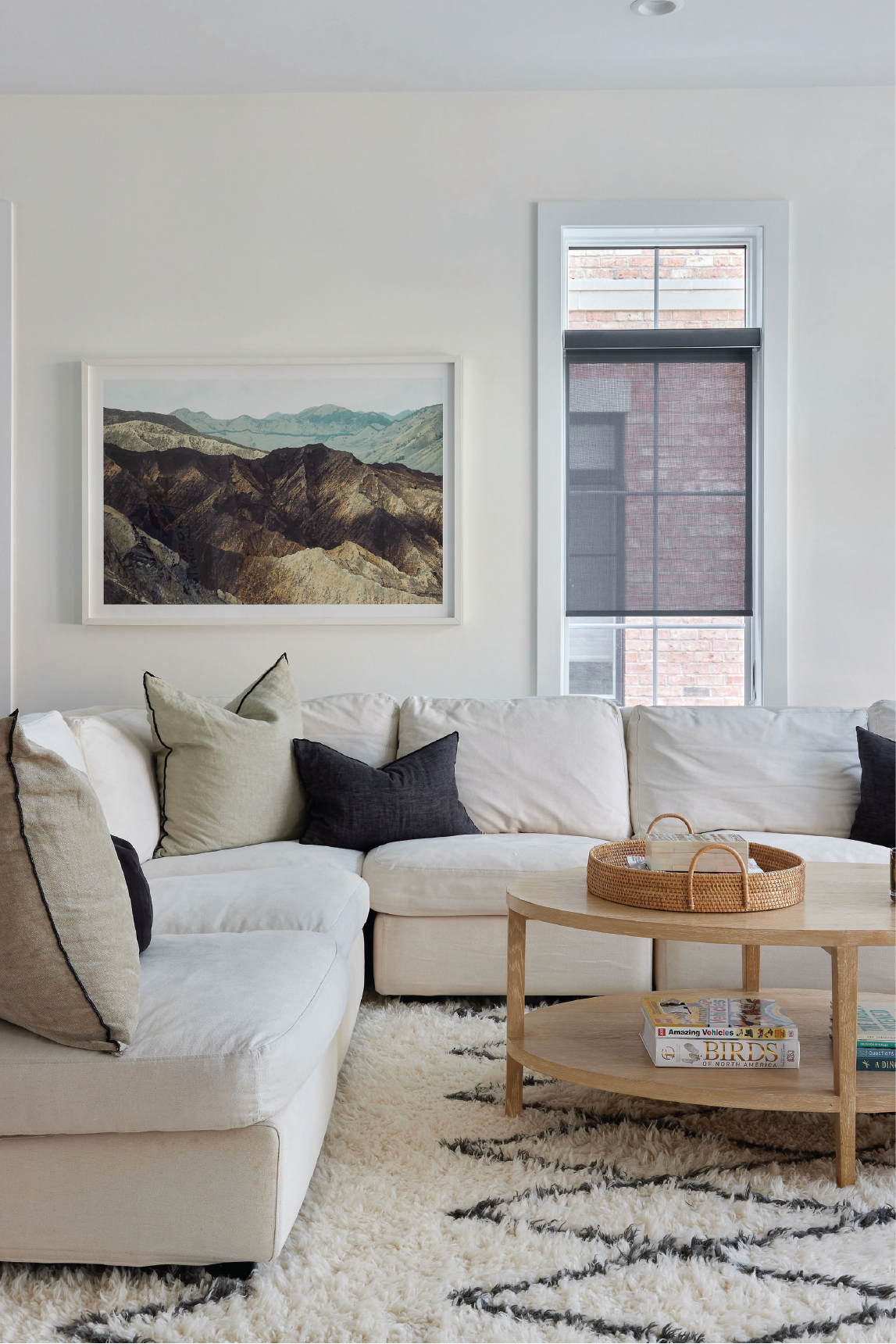
Layering is less about adding more and more, and more about mixing tactile experiences—a linen slipcover against a boucle throw, or a smooth oak tabletop beneath a rough ceramic bowl. Contrast is what makes a room feel lived-in and dimensional.
Try to balance every smooth surface with something tactile: velvet cushions on a leather chair, a chunky knit folded across crisp cotton bedding.


3. Play with Tone and Depth
Think of your palette like a color gradient rather than a strict scheme. Combine shades within the same family—caramel, chestnut, and espresso; ivory, bone, and flax—to add visual warmth. Layering tone-on-tone color keeps a room sophisticated and quiet while still feeling dynamic.
A few matte finishes mixed with subtle sheen (think brushed brass or glazed pottery) go a long way toward elevating the overall feel.
4. Introduce Seasonal Layers
Fall and winter call for heavier textiles and richer accents. Swap out lightweight linens for wool or mohair throws, and bring in upholstered ottomans, woven baskets, or area rugs underfoot.
Even a few seasonal touches—like a heavier drapery panel or a candle with a smoky, woodsy note—can transform the mood of a room without a full redesign.

5. Don’t Forget the Lighting
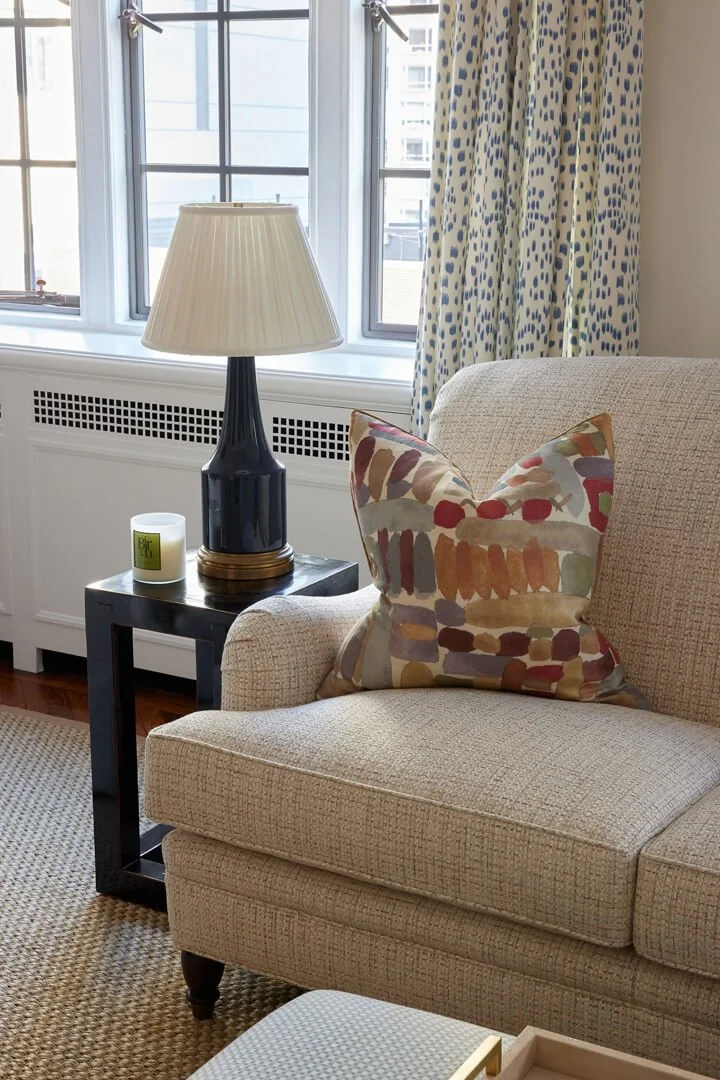
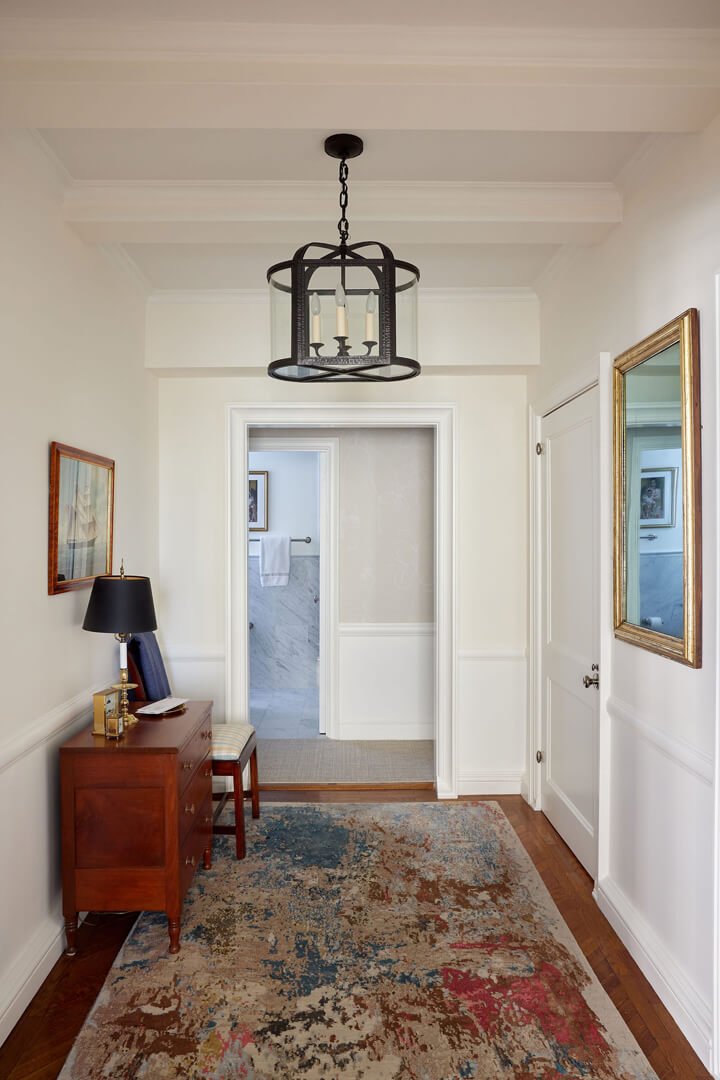
Just like layering clothing, your lighting should move from overhead to ambient to accent. A layered lighting plan adds depth, flexibility, and warmth. Combine ceiling fixtures with floor lamps, wall sconces, and the soft glow of candles to mimic the changing light of the season.
6. Edit, Then Add Intention
The secret to effective layering is restraint. Once you’ve added your textures, tones, and accents, step back and edit. Each piece should earn its place—whether for comfort, beauty, or meaning.
When done right, layering creates a sense of calm abundance: the feeling that your home is both warm and thoughtfully composed.
A Closing Thought
Layering for the colder months isn’t just about aesthetics—it’s about creating a sanctuary that feels cocooning and restorative. The best layers tell a story: of seasons changing, of materials chosen with care, and of a home that wraps you in warmth when you walk through the door.
